
Montreal Canada Underground City

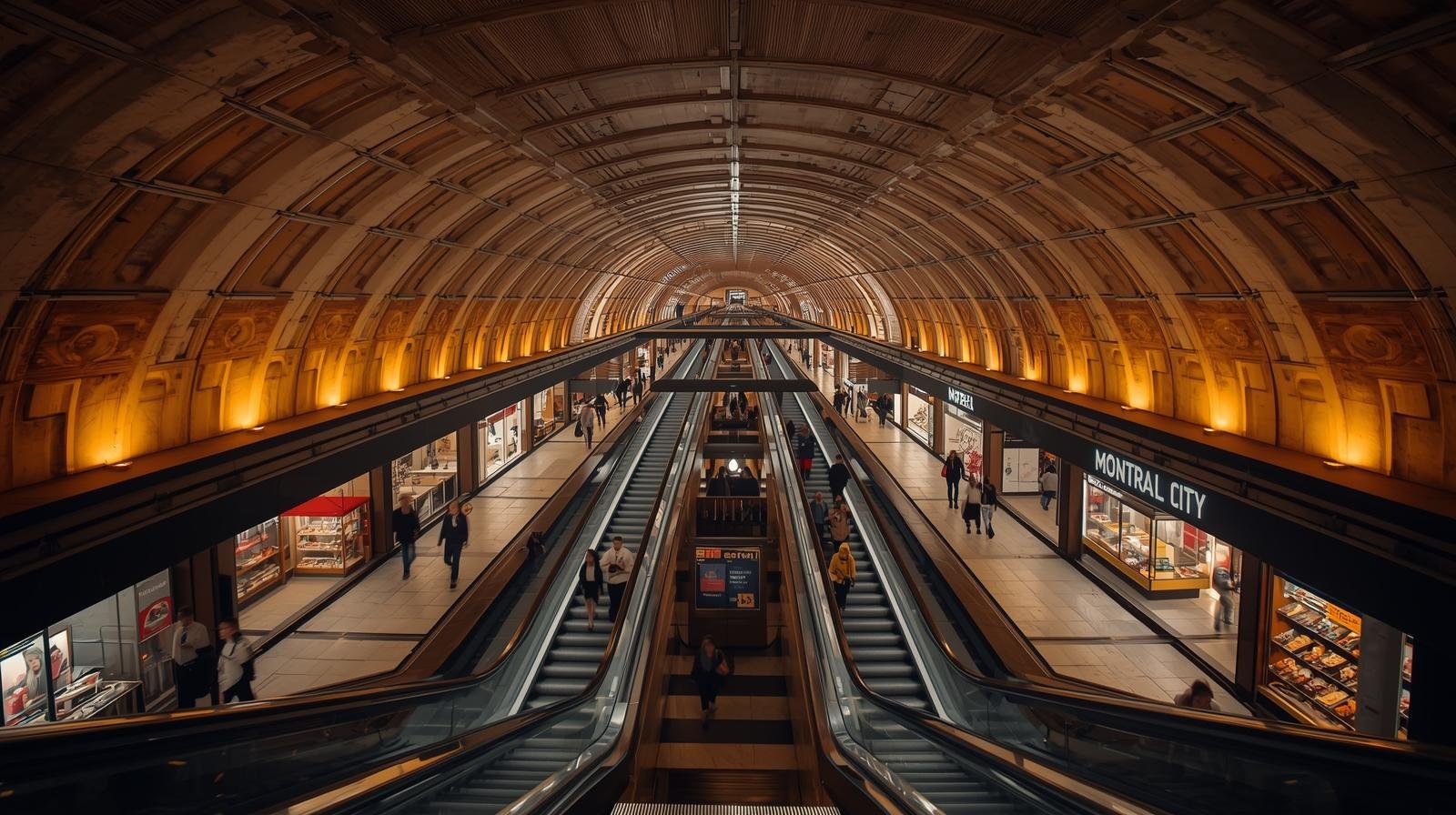
Most people who visit Montreal, Canada, think of its cobblestone streets, European-style buildings, and lively festivals. But below the busy downtown is one of the city’s most interesting wonders: the Montreal Canada Underground City, also known as La Ville Souterraine. This huge underground network is more than just a bunch of tunnels; it’s a whole city underground with stores, restaurants, hotels, offices, and entertainment all connected below the surface of the city.
We’ll go into great detail about the interesting story, layout, and experiences of Montreal’s Underground City in this guide. We’ll also talk about why it has become one of the most innovative urban designs in the world.
What is the Montreal Canada Underground City?
The Montreal Canada Underground City is a huge network of pedestrian walkways that links shopping malls, office buildings, hotels, universities, and metro stations all over downtown Montreal. This underground maze is more than 4 million square meters in size and stretches over 33 kilometers (20 miles). It is the largest underground complex in the world.
This underground world, also known as RESO (from the French word réseau, which means “network”), makes life easier and more comfortable for Montrealers all year round, but especially in the city’s cold winters and hot summers.
A Short History of Montreal’s Underground City
In the 1960s, people in Montreal started to think about building an underground city. The first part opened in 1962 under Place Ville Marie, which is a big office and shopping center. It was made to give people a warm, dry place to walk during Montreal’s long winters.
As the Montreal Metro was built in the years that followed, architects and city planners saw a chance to connect these underground spaces to transit lines, making a smooth and easy-to-use network of sidewalks.
As time went on, the Underground City grew and linked department stores, hotels, museums, and even homes. Today, it’s a great example of modern city planning and a sign of Montreal’s forward-thinking infrastructure.
What You Can Expect to Find in Montreal’s Underground City
It feels like you’re in a different world when you explore Montreal’s Underground City. Below the surface, you can see:
1. A Shopper’s Paradise
The underground network links a number of big shopping malls, such as:
- Montreal’s Eaton Center
- Complexe Desjardins
- Put Montreal Trust
- The Mont-Royal Courses
There are high-end boutiques and designer brands, as well as local stores and international retailers. It’s a shopper’s dream.
2. Food and Drink Delights
The Underground City in Montreal has hundreds of places to eat, whether you want a fancy meal or a quick snack. There are so many different kinds of food to choose from, from cozy cafés and bakeries to fast food chains and cuisines from around the world.
Café Depot, Resto Vego, and La Cage Brasserie Sportive are all popular places for locals and tourists who want to eat inside.
3. Things to do, see, and enjoy
The Montreal Underground City has more than just shops and restaurants; it also has art galleries, exhibition spaces, and even public art installations. The Place des Arts and Complexe Desjardins are places where both locals and tourists go to see events and performances.
During Montreal’s famous festivals, like the Jazz Festival or Montréal en Lumière, the underground spaces often turn into cultural venues full of life.
4. Hotels and transit that are linked
One of the best things about Montreal’s Underground City is that it is directly linked to a number of hotels and metro stations. The Fairmont and other big hotels The Queen Elizabeth and Le Centre Sheraton Montreal Hotel have doors that go directly to the underground paths.
The Montreal Metro, which has important stops like McGill, Peel, and Bonaventure, fits in perfectly with the underground system. This lets people get around the city without having to go outside.
Why Montreal Made a City Below Ground
The idea for the Montreal Canada Underground City came from a need for practicality and new ideas. Montreal has very harsh winters, with snow and freezing temperatures lasting for several months of the year. The underground city has a climate-controlled environment that makes life easier for everyone who lives, works, or visits there.
It also helps ease traffic on the streets, boosts the economy all year long, and shows how urban design can change to meet local needs.
How to Get Around in the Montreal Underground City?
If you’re going to Montreal, you have to see the underground city. Here’s how to get the most out of it:
Begin at Place Ville Marie
Start your trip at Place Ville Marie, where it all began. This central hub is easy to get to from the metro and connects to a number of major shopping centers.
Follow the RESO Maps
Most metro stations and shopping malls have detailed maps of Montreal’s Underground City. They show how to get to attractions, exits, and walking paths along the way.
Come in the Winter
The underground network is open all year, but it’s most useful during the winter months (December to March) when Montreal’s streets are covered in snow. You can walk around inside in a T-shirt even when it’s freezing outside.
Go on a guided tour
If you like things to be more organized, you can take a guided tour of the Montreal Underground City with a number of companies. They will tell you about its history, design, and hidden gems.
Interesting Facts About Montreal’s Underground City
More than 2,000 stores and 60 residential and commercial complexes are linked by the Montreal Underground City.
- It connects to 10 major hotels, 7 metro stations, and 2 train stations.
- During the winter, more than 500,000 people walk through the underground tunnels every day.
- The network’s total floor area is more than 4.6 million square meters, which is bigger than many small cities.
- Even though it has the name “underground city,” most of it is actually just below or at street level and is connected by tunnels and bridges.
Why You Should Go to Montreal’s Underground City
The Montreal Canada Underground City is more than just a great piece of engineering; it’s a part of the city’s identity that lives and breathes. This underground network captures Montreal’s creative spirit, whether you’re trying to get away from the cold, going on a shopping spree, or looking for hidden art exhibits.
It’s a daily convenience for people who live there. For visitors, it’s a one-of-a-kind adventure that lets them see how design, culture, and innovation come together in one of Canada’s most exciting cities.
Conclusion
One of the most amazing urban spaces in the world is the Montreal Canada Underground City. A huge, lively network that shapes modern life in Montreal lies beneath the streets of the city’s downtown. It has a mix of architecture, business, art, and usefulness that makes it a must-see for anyone who comes to the city.
FAQs About Montreal Canada Underground City
1. What is the Underground City in Montreal, Canada?
The extensive system of tunnels and walkways that connects retail centers, lodging facilities, workplaces, and metro stations beneath downtown Montreal is known as the Montreal Canada Underground City, or RESO.
2. What is the size of the Underground City in Montreal?
It is the world’s largest underground complex, spanning more than 4 million square meters and more than 33 kilometers (20 miles).
3. For what reason was the Underground City in Montreal constructed?
It was designed to conveniently connect important areas of downtown Montreal and shield pedestrians from inclement winter weather.
4. Is it possible to visit the Montreal Underground City?
Yes, there are plenty of stores, eateries, and attractions to explore throughout the whole network, which is open all year round and accessible to everyone.
5. How can visitors access Montreal’s Underground City?
You can enter the Underground City from several downtown locations, including metro stations like McGill, Peel, and Bonaventure, or major malls such as Eaton Centre Montreal.