

Can Allergies Cause Fever

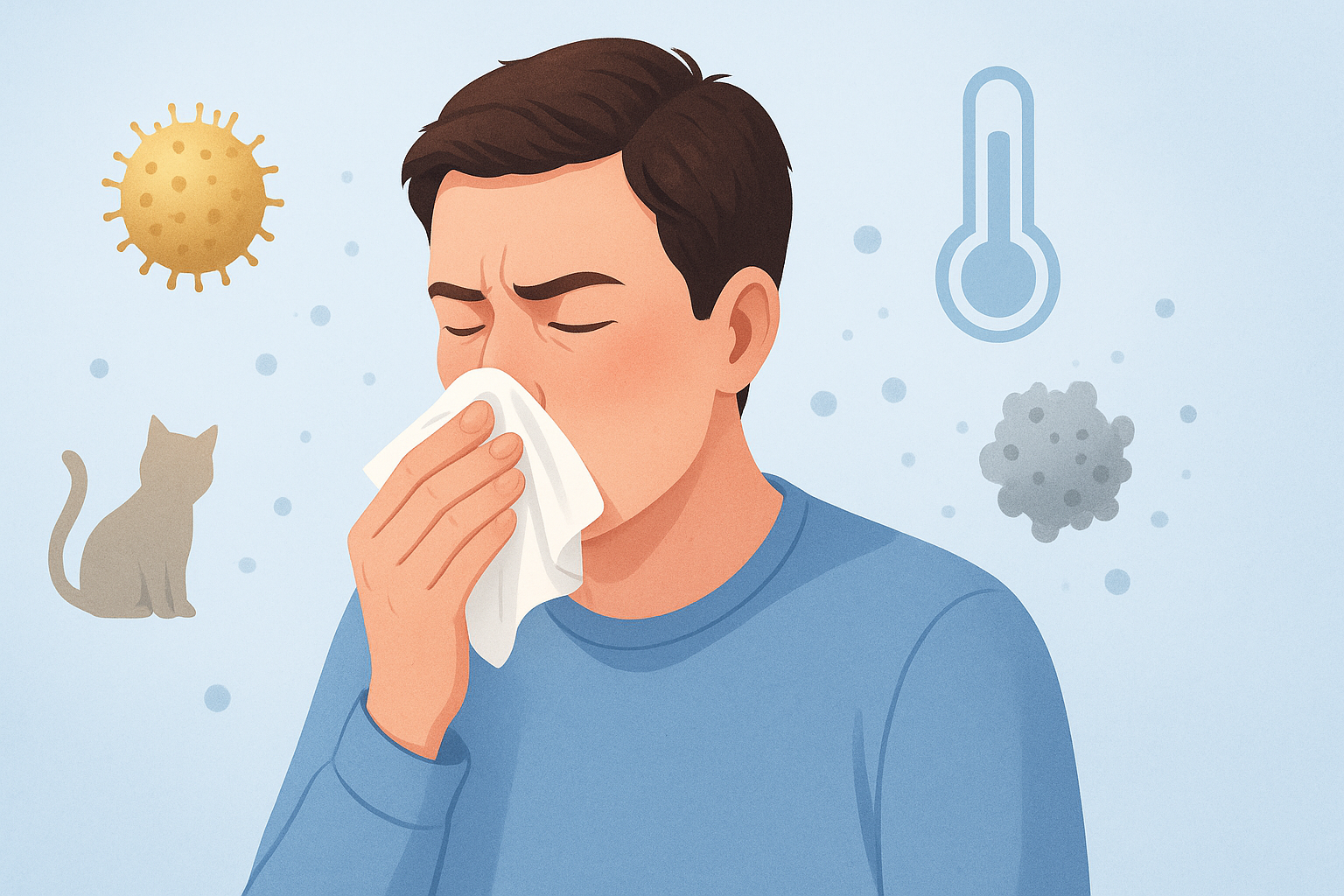
Every year, millions of people around the world have allergies. Allergic reactions can happen in many ways, from seasonal pollen allergies to food allergies and sensitivity to pet dander. But a lot of people want to know, “Can allergies make you sick?”
People get confused because allergies and infections can both cause symptoms like headaches, congestion, fatigue, and general discomfort. But when it comes to fever, the answer is more specific. In this in-depth guide, we’ll talk about whether allergies can really cause fever, what signs to look for, and how to tell the difference between allergies and viral or bacterial infections.
This long article is meant to be SEO-friendly, well-written, keyword-optimized, and full of information. It will help anyone who is looking for answers about fever and allergies.
Can allergies make you sick? The Short Answer
The short answer is that allergies don’t usually cause fever.
When your immune system overreacts to things that aren’t harmful, like pollen, dust mites, mold, or pet dander, you get allergies. This reaction causes sneezing, watery eyes, congestion, and inflammation, but not usually a rise in body temperature.
But there are two times when a fever and allergies can happen at the same time, which can be confusing:
1. Allergies that cause a sinus infection
Allergies can make your nose stuffy, which can block your sinuses. When mucus gets stuck, bacteria can grow, which could lead to:
An infection in the sinuses
Pain in the face
Thick green or yellow mucus
Fever
The fever is caused by a sinus infection, not by the allergies themselves.
2. Allergies Making the Immune System Less Strong
Allergies that don’t go away can make your body stressed and inflamed. This could make you more likely to:
- Infections caused by viruses
- Infections of the ear
- Infections in the throat
Infections can also cause fever, which makes people think that allergies are to blame.
How Allergies Work: Knowing How the Immune System Works
It helps to know what happens in your body during an allergic reaction to understand why allergies usually don’t cause fever.
When an allergen gets into your body, your immune system sends out:
- Histamine
- Immunoglobulin E (IgE)
- Other chemicals that cause inflammation
- These chemicals cause symptoms like:
- Eyes that itch
- A runny nose
- Coughing
- Rashes on the skin
- Pressure in the sinuses
But the important thing is that your body doesn’t get hotter, which is what happens when it fights bacteria or viruses.
Common Signs of Allergies (Not Including Fever)
Allergies don’t usually cause fever, but they can cause symptoms that look like an infection, like:
Sneezing ✔ A runny or stuffy nose ✔ Itchy, watery, or red eyes ✔ Coughing ✔ A sore or scratchy throat ✔ Postnasal drip ✔ Fatigue or tiredness ✔ Skin rashes or hives ✔ Wheezing or trouble breathing (in severe cases)
Inflammation, not infection, is what causes these symptoms, so antibiotics are not needed.
How to Tell the Difference Between Fever and Allergy Symptoms
A lot of people are unsure if their symptoms are caused by allergies or an infection because the two can look alike. Here is a simple comparison to help you tell the difference:
More Common Symptoms in Allergies
- Eyes that itch or water
- Fits of sneezing
- Symptoms get worse after being around pollen, dust, or pets.
- Mucus that is clear and watery
- No fever
- Symptoms that last a long time
- Symptoms That Happen More Often in Infections
- Fever
- Aches in the body
- Mucus that is thick and yellow or green
- Sore throat that hurts
Symptoms show up all at once.
Lasts for a few days to a week
If you have a fever, it’s more likely that you have an infection than allergies.
When Allergies Cause Other Infections
Allergies don’t directly cause fever, but they can lead to conditions that do:
1. Sinusitis (Sinus Infection)
Blocked sinuses can lead to bacterial infections that cause headaches, fever, and pain in the face.
2. Infections in the ears
Congestion from allergies can cause fluid to build up, which can lead to ear infections, especially in kids.
3. Infections of the upper respiratory tract
Chronic allergies make your respiratory system weaker, which makes it easier for viruses to get in.
4. Asthma Flare-Ups
Asthma flare-ups don’t cause fevers, but they can make it very hard to breathe.
How to Deal with Allergy Symptoms in the Best Way
Allergies usually don’t cause fever, but treating symptoms early can stop problems like infections from happening.
Here are some proven ways to stop allergy attacks:
1. Stay away from things that set you off
Find and limit exposure to:
- Pollen
- Dust mites
- Mold
- Pet hair
- Smoke
- Scents
2. Take antihistamines
Some options that don’t require a prescription are:
- Cetirizine
- Loratadine
- Fexofenadine
These help with sneezing, itching, and a runny nose.
3. Corticosteroids for the nose
These help with swelling and congestion:
Fluticasone
Mometasone
Budesonide
4. Decongestants
Quick relief for sinuses that are blocked.
5. Rinsing your nose with salt water
Helps get rid of mucus and lowers pressure in the sinuses.
6. Allergy shots (also called immunotherapy)
A long-term fix for severe or chronic allergies.
7. Home Remedies
Inhaling steam
Warm compresses
Staying hydrated
Using air cleaners
When to Go to the Doctor
If you have any of the following, you should see a doctor:
- Fever is higher than 38°C (100.4°F)
- Symptoms last for more than 10 days.
- You get very bad sinus pain.
- You feel like you can’t breathe
- Instead of getting better, symptoms get worse.
- You think you might have an infection.
- If a bacterial infection is causing the fever, a doctor may suggest antibiotics.
Questions that are often asked (FAQs)
1. Can kids get a fever from allergies?
Just like in adults, allergies don’t often make kids sick. If a child has a fever and is coughing or stuffy, they are more likely to have an infection.
2. Can seasonal allergies make you feel hot?
Seasonal allergies don’t cause fever on their own, but severe sinus congestion from pollen exposure can lead to a sinus infection, which can cause a low-grade fever.
3. What signs show that you have an infection instead of allergies?
Fever, body aches, chills, and thick mucus are usually signs of a viral or bacterial infection, not allergies.
4. Is it possible for allergies and infections to happen at the same time?
Yes. Allergies can make your respiratory system weaker, which makes you more likely to get infections that cause fever.
5. What can I do to stop sinus infections caused by allergies?
Using nasal sprays regularly, limiting exposure to allergens, and keeping the air inside clean can help keep sinuses clear and stop infections.
Final Thoughts
So, can allergies make you sick? No, fever is not a direct sign of allergies.
Allergies can cause problems like sinus infections, which can make you have a fever. Knowing the difference between allergy symptoms and infection signs can help you get the right treatment at the right time.
You can stay healthy, avoid problems, and be comfortable all allergy season if you know how to handle your allergies and pay attention to warning signs.