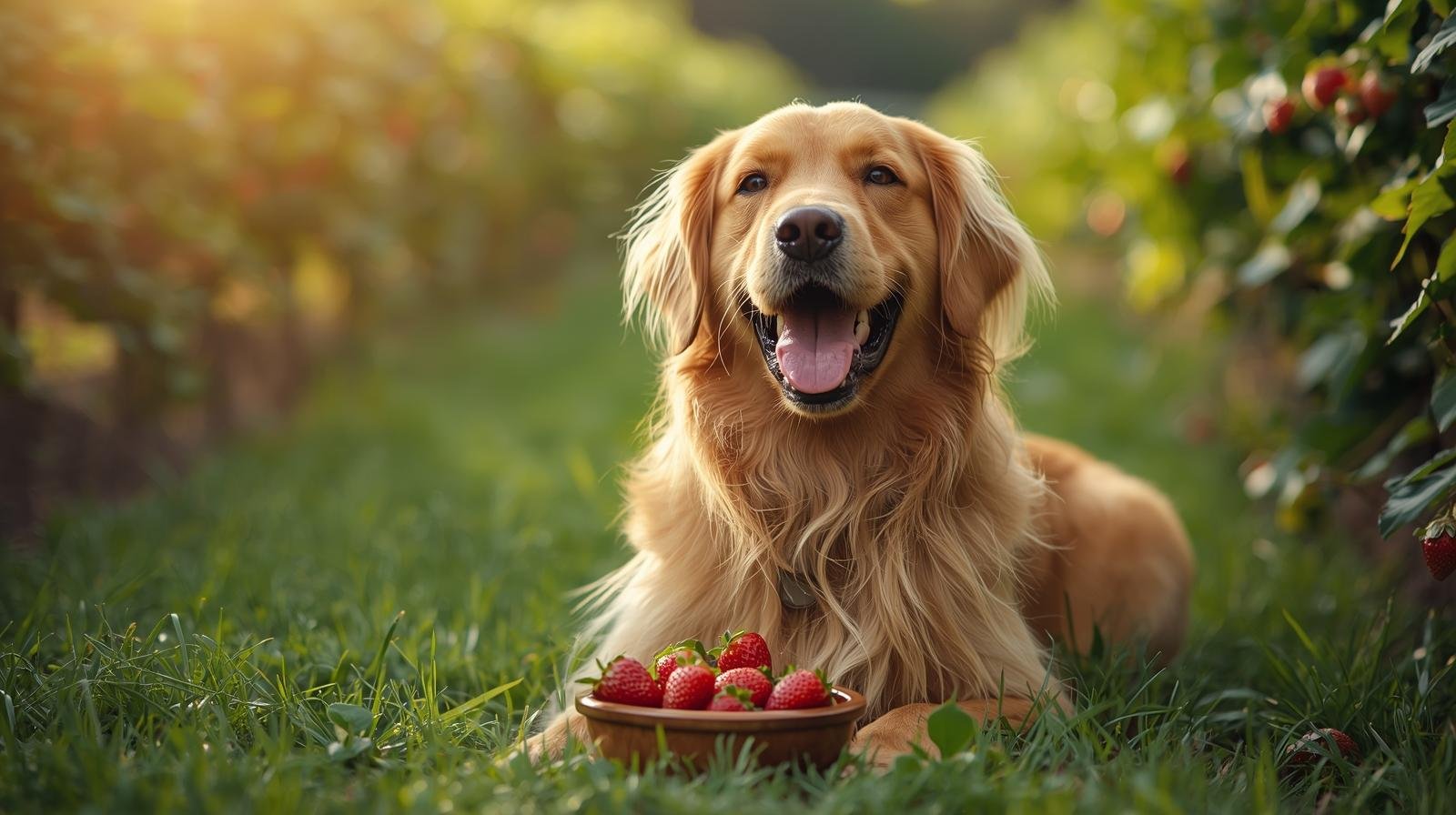

Fresh Pet Food for Dogs

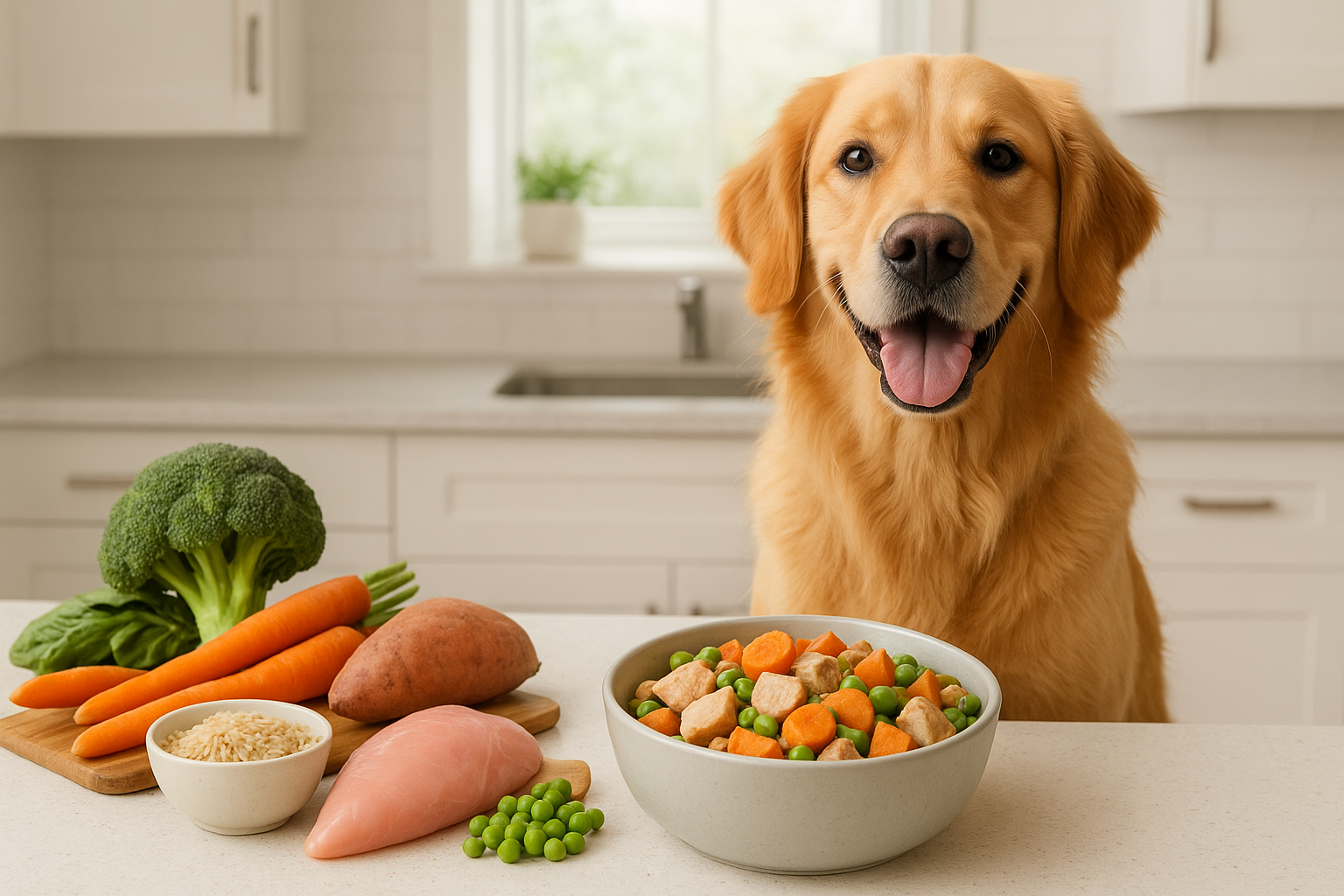
One of the fastest-growing trends in pet nutrition is giving dogs fresh food. People who own dogs want food that is healthier, cleaner, and more natural, without preservatives, artificial flavors, or highly processed ingredients. Because of this change, fresh dog food is now the most popular choice because it provides better nutrition, digestion, and overall health.
This in-depth guide will teach you everything you need to know about fresh dog food, such as its benefits, ingredients, feeding instructions, safety tips, and how to pick the best food for your pet. This article is written in a way that is good for SEO and is meant to give you all the information you need.
What is fresh dog food?
Whole, natural foods like real meat, vegetables, grains, and healthy fats are used to make fresh dog food. It is not as processed as regular kibble or canned food, is only lightly cooked, and is often kept in the fridge or freezer.
Some common types of fresh dog food are:
- Meals that are fresh and cooked
- Meals that are fresh and frozen
- Brands of pet food that need to be kept cold
- Fresh diets made at home
- Fresh meal plans that you pay for every month
These foods are meant to give you the best nutrition while keeping the natural goodness of the ingredients.
Why more and more people are choosing fresh pet food
More and more dog owners are learning about the ingredients in store-bought pet food. Many traditional dog foods have fillers, preservatives, and meat by-products in them, which aren’t always good for your dog’s long-term health.
Fresh food solves this problem by giving you:
- Clear information about the ingredients
- Quality fit for humans
- Less use of artificial additives
- Easier to digest
- Better taste and flavor
Because of this, more pet owners are switching to fresh diets to help their dogs live longer and healthier lives.
Advantages of Fresh Pet Food for Dogs
1. Better Digestion
Fresh food is easier for a dog’s stomach to digest because the ingredients are only lightly processed. Switching to fresh food often helps dogs with sensitive stomachs, food allergies, bloating, or irregular bowel movements.
2. Coat that is shinier and skin that is healthier
Fresh foods have natural oils, omega-3 fatty acids, and vitamins that are good for you. This means:
- Fur that is shinier
- Less shedding
- Less skin allergies
- Not as dry or flaky
3. More energy and better weight control
Fresh food has a lot of good proteins and nutrients without any extra fillers. This helps with:
- Keeping a healthy weight
- Getting more energy
- Lessening problems related to being overweight
4. A Stronger Immune System
Fresh fruits and vegetables are full of vitamins and minerals that help the immune system. Fresh food also keeps more nutrients because it doesn’t go through high-temperature processing.
5. Helps Keep You Healthy for a Long Time
Giving your dog fresh food has been linked to:
Less swelling
Older dogs can move around more easily.
Less likely to get long-term illnesses
Better joints, heart, and digestion
What should be in fresh dog food?
A healthy diet of fresh dog food should include:
1. Good Proteins
For their muscles to grow and for their health in general, dogs need proteins from animals. Some good choices are:
- Chicken
- Turkey
- Meat
- Lamb
- Fish (like salmon and whitefish)
- Eggs
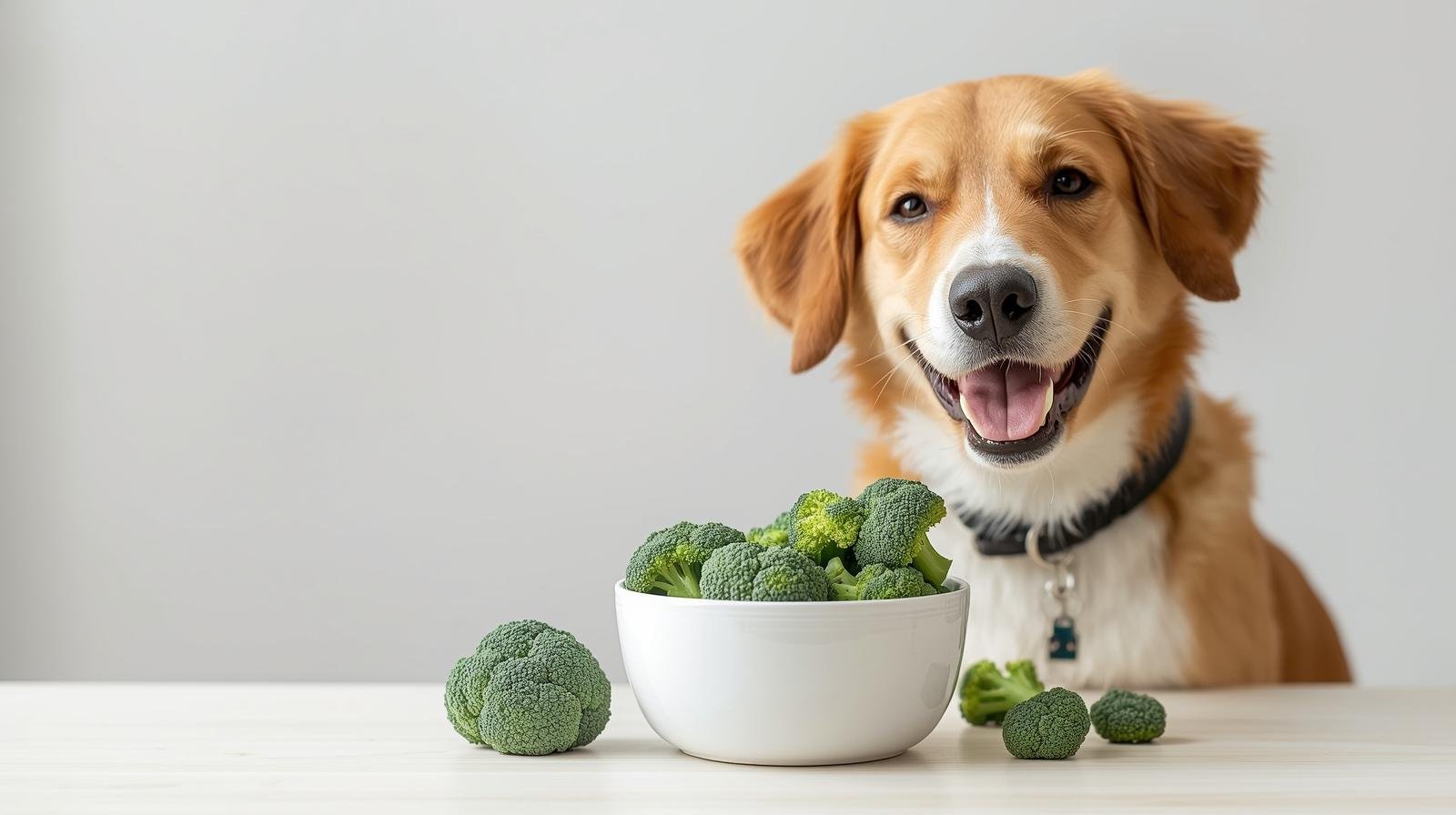
2. New Vegetables
Vegetables are a good source of fiber, vitamins, and minerals.
Good choices are:
- Carrots
- Spinach
- Broccoli
- Peas
- Yams
3. Whole grains or no grains at all
Add:
- Rice that is brown
- Oats
- Quinoa
- Or grain-free options if your dog is sensitive.
4. Fats that are good for you
Important for the growth of skin, hair, and the brain.
Sources:
- Oil from salmon
- Oil from coconuts
- Flaxseed
- Fat from chicken
5. Supplements for nutrients
Some new diets come with extras like:
- Calcium
- D vitamin
- Omega-3 and Omega-6
- Probiotics
These help with digestion, joint mobility, and bone health.
How to Pick the Best Fresh Dog Food
Before you choose a brand of fresh dog food, make sure to check these important things:
Ingredients that are safe for people
Make sure the food is made with real, high-quality ingredients that people can eat.
Made by a veterinarian
Pick brands that talk to vets or dog nutritionists.
Well-rounded and full
The food should follow AAFCO’s nutritional rules.
Clear labeling
Stay away from foods that don’t clearly list their ingredients, preservatives, or fillers.
Newness and the right way to store
Find foods that are frozen or refrigerated.
Options for customization
A lot of brands offer meal plans that are based on your dog’s age, weight, breed, and health.
How Much Fresh Food Should You Give Your Dog?
The amount of food you give depends on:
- Weight
- Age
- Level of activity
- Health problems
- Type
A general rule is:
Most of the time, dogs need 2–3% of their body weight in fresh food every day.
For example:
A dog that weighs 10 kg might need 200 to 300 grams of fresh food every day.
But always follow the brand’s instructions or talk to a vet about making your own meals.
Is it safe to feed your dog fresh food?
Yes, when:
- The ingredients are cooked correctly.
- Food is kept in the fridge or freezer.
- They follow the dates of expiration.
- Containers are closed
Is it better to make your own dog food or buy it from the store?
Food Made at Home
Pros:
Complete control over the ingredients
Good for dogs with allergies
No preservatives
Cons:
Risk of not getting enough nutrients
Takes time and work
Needs help from a vet
Fresh dog food from the store
Pros:
Balanced and full of nutrients
Easy to use and saves time
Tested by professionals
Not good:
- Costs more than kibble
- For most dog owners, buying fresh food from the store is the safest and easiest choice.
- Getting Your Dog Used to Fresh Food
To avoid problems with your stomach, switch slowly:
- Days 1–3: 25% new food and 75% old food
- Days 4–6: half old food and half new food
- Days 7–9: 75% fresh food and 25% old food
- Day 10 and after: all new food
Questions and Answers About Fresh Pet Food for Dogs
1. Is kibble better for dogs than fresh food?
Yes. Fresh food is easier to digest, has more nutrients, fewer preservatives, and is better for your health overall.
2. Is it safe for all dogs to eat fresh food?
Most dogs can, but some dogs with health problems may need help from a vet.
3. How long does dog food stay good in the fridge?
If you store it right, it should last for 3 to 5 days.
4. Is it safe to eat fresh food that you make yourself?
Yes, as long as the recipes are approved by a vet and the food has the right nutrients.
5. Can fresh dog food help with allergies?
Of course. Many dogs with food allergies get a lot better on diets that are fresh and natural.
6. Is it costly to get fresh dog food?
It can cost more than kibble, but the health benefits often lower the cost of seeing the vet over time.
7. Should puppies eat food that is fresh?
Yes, but make sure it is made just for puppies.
Last Thoughts
Giving your dog fresh food is one of the best things you can do for their long-term health. Fresh diets support stronger immunity, shinier coats, healthier weight, and more energy because they have cleaner ingredients, better nutrition, and are easier to digest.
Always make sure that the food you give your dog is balanced, safe, and full of nutrients, whether you make it yourself or buy it from a good brand.