

Should I Lease or Finance a Car

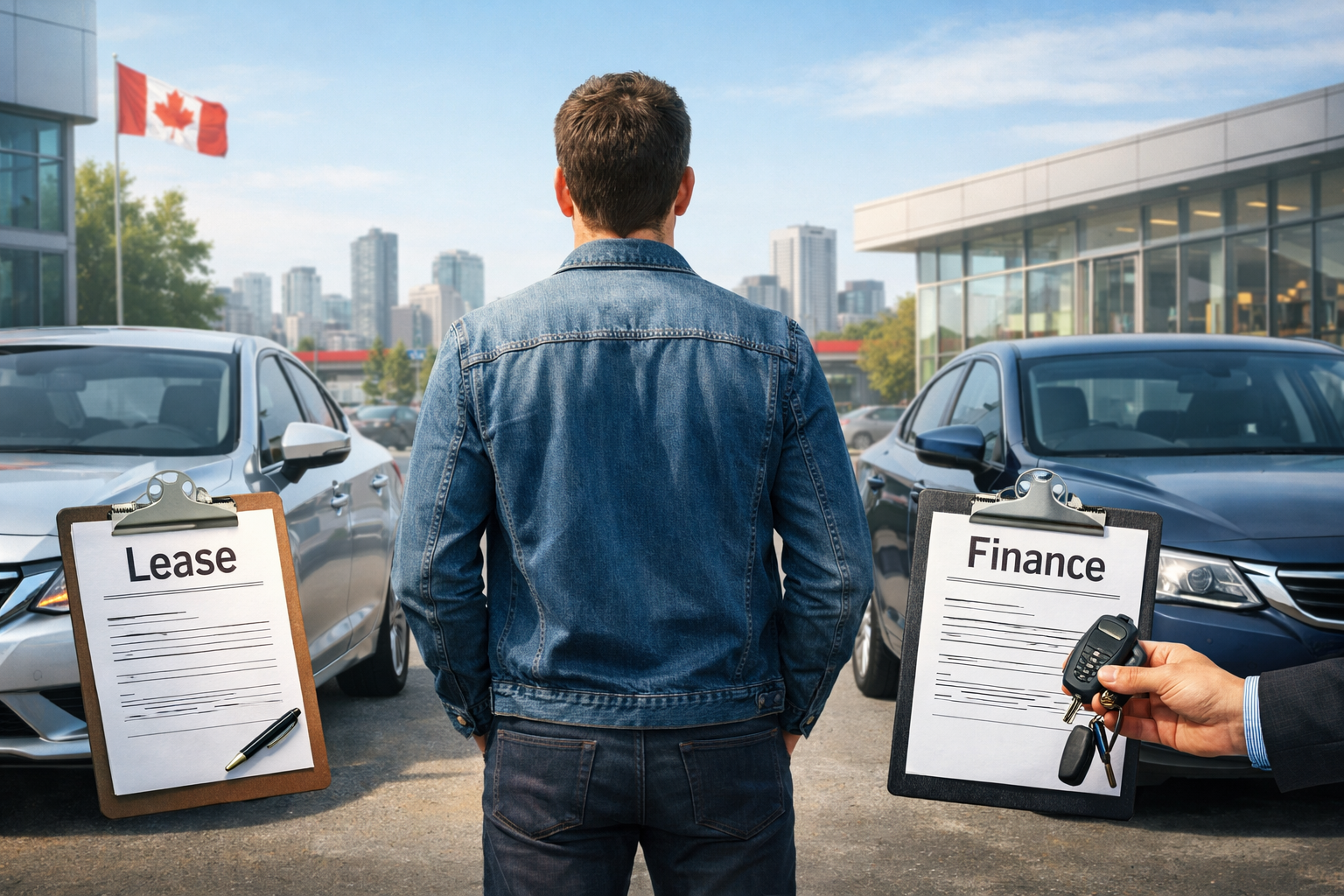
One question that most people have before they sign any paperwork is whether they should lease or finance a car. This is a big financial decision. Both choices have pros and cons, but the best one for you depends on your lifestyle, budget, driving habits, and long-term goals.
When making this choice in Canada, the cost of cars, interest rates, insurance, and resale value are all very important. Some drivers want newer models and lower monthly payments, while others want to own their cars outright and save money in the long run. Knowing the difference between leasing and financing can help you avoid making expensive mistakes and pick the option that really meets your needs.
This guide breaks everything down into simple terms, so you can choose the best option for you with confidence.
Getting to Know Car Leasing
Leasing a car is like renting one for a set amount of time, usually two to four years. You don’t have to pay for the full value of the car; you only have to pay for the part of the car’s value that you use during the lease term.
At the end of the lease, you can either return the car, get a new model, or buy it for a set price.
Leasing is popular with drivers who want to drive newer cars without having to buy them outright and make lower monthly payments.
In simple terms, how car leasing works
The lender figures out how much the car will lose value over the course of the lease. Your monthly payment includes interest and fees as well as that depreciation. Lease payments are usually lower than financing payments because you are not paying for the full value of the car.
But there are rules that come with leases. Most leases have limits on how many miles you can drive, how much wear and tear is allowed, and penalties if you break the lease early.
Leasing a car has its benefits
One big plus of leasing is that it’s cheap in the short term. Monthly payments are usually lower than financing, which makes it easier to drive a newer or more expensive car.
You can also switch cars every few years if you lease. This means you can use the newest safety features, better fuel economy, and technology without worrying about how much your car will lose value over time.
Less stress when it comes to maintenance is another benefit. Many leased cars are still under warranty for the whole time they are leased, which can lower repair costs.
Disadvantages of Renting a Car
Leasing has its pros and cons, though. You never build up equity in your car, so if you keep leasing, you’ll always have to make payments on it.
Drivers who drive long distances to work or go on a lot of road trips may have a hard time with mileage limits. If you go over the mileage limit, you may have to pay a lot of money at the end of the lease.
You are also in charge of keeping the car in great shape. Extra charges may apply for too much wear, scratches, or damage to the inside.
How to Understand Car Financing
When you finance a car, you buy it by making monthly payments over a set period of time, usually between three and seven years. You own the car after you pay off the loan.
People who want to keep their car for a long time and have full control over how they use it should finance it.
How to Get a Car Loan
When you get a loan to buy a car, the loan amount is the full price of the car minus any down payment. Your monthly payments include both the principal and the interest until the loan is paid off.
You own the car completely after you make the last payment. You can change, sell, or trade the car whenever you want, and there are no limits on how many miles you can drive it.
Advantages of Getting a Car Loan
The best thing about financing is that you own it. You build equity with each payment, and once the loan is paid off, you won’t have to make monthly car payments for years.
Financing also lets you do whatever you want. You can drive as much as you want, change the car to fit your needs, or sell it whenever you want without any fees.
In the long run, financing is usually cheaper than leasing a car over and over again, especially if you plan to keep it for a long time.
Disadvantages of getting a loan to buy a car
When you finance something, your monthly payments are usually higher than when you lease it. If you don’t have a lot of money, this can limit your options for a car.
As a car gets older, it costs more to fix and keep it running. You are in charge of all repairs after the warranty runs out.
Another thing to think about is depreciation. New cars lose value quickly, especially in the first few years. This can affect how much you can sell them for.
Main Differences Between Financing and Leasing
The main difference is who owns it. Leasing lets you use something for a short time, while financing lets you own it for good.
Leasing is all about short-term affordability and ease of use. Financing is all about long-term value and freedom.
Before you decide whether to lease or finance a car, you need to know what these differences are.
Comparing Prices Over Time
In the short term, leasing seems cheaper because the monthly payments are lower. But leasing several cars for a long time can end up costing more than buying one car and keeping it for a long time.
It might seem like financing is expensive at first, but once you pay off the loan, the cost of owning the car goes down a lot.
The total cost will depend on how often you switch cars and how long you plan to keep them.
Which choice is better for your way of life?
Your way of life is a big part of the answer to the question “Should I lease or finance a car?”
Leasing might be a good choice for you if you like driving new cars every few years and want to know how much you’ll have to pay. If you want to save money over time, have more options, and own something, financing might be the better choice.
Financing is usually better for drivers who have long commutes or travel plans that change often because there are no limits on mileage.
Leasing vs. Financing for Families
Families often benefit from financing because it lets them use the item as much as they want and own it for a long time. Kids, pets, and everyday use can cause wear and tear that leads to lease penalties.
Families who need a reliable car but don’t want to worry about condition charges can get peace of mind with financing.
Leasing vs. Financing for Business Use
Leasing can be appealing to business owners because lease payments may be tax-deductible in some cases. It also lets you get newer cars that make you look more professional.
But financing can still be a good choice if you plan to use the car a lot or keep it for a long time.
Always talk to a tax expert before making a choice.
Effect on Credit Score
You need good credit for both leasing and financing, but leasing often has stricter rules for getting approved.
Financing gives buyers with average credit more options, especially with longer loan terms.
You should check your credit score before deciding whether to lease or finance a car.
Interest Rates and Down Payments
Leasing usually requires a smaller down payment, while financing usually benefits from a larger upfront payment to lower the cost of interest.
Interest rates depend on the borrower’s credit score, the length of the loan, and the state of the market. It is very important to compare offers from more than one lender.
A Long-Term View of Money
When it comes to money, financing usually gives you more value in the long run. You can keep driving the car after you pay off the loan with little extra cost.
Leasing keeps you in a cycle of payments that can be more expensive over the long term.
Your financial goals should help you make your choice.
Things to think about for the environment
Leasing lets you drive newer, more fuel-efficient cars more often, which can help the environment.
Financing makes people keep their cars for longer, which is good for the environment because it cuts down on the need for new cars.
Depending on the vehicle you choose, either option can help the environment.
When leasing is a better option
Leasing is a good choice if you want to pay less each month, don’t drive a lot, and like to upgrade often.
It also works well for professionals who want the newest technology and know how much their bills will be.
When It’s Better to Get a Loan
If you want to keep your car for a long time, drive a lot, or have complete freedom of ownership, financing is the best option.
It works for buyers who want to save money in the long run and have options.
Questions that are often asked (FAQs)
Is it cheaper to lease than to finance?
Leasing usually has lower monthly payments, but if you keep the car after the loan is paid off, financing may be cheaper in the long run.
Can I buy the car I leased?
Yes, most leases let you buy the car at the end of the lease.
Is financing better for owning something for a long time?
If you plan to keep the car for a long time, financing is the better option.
Does leasing have a different effect on credit than financing?
If payments are made on time, both have the same effect on credit.
What will happen if I go over the mileage on my lease?
You will have to pay extra for every extra kilometer you drive.
Last Thoughts
Your driving habits, financial priorities, and plans for the future will all play a role in whether you should lease or buy a car. There is no one-size-fits-all answer; you have to choose the one that works best for you.
Knowing the real costs, benefits, and drawbacks of each choice will help you make a smart, confident choice that is good for your finances.