

What is a Bond in Finance

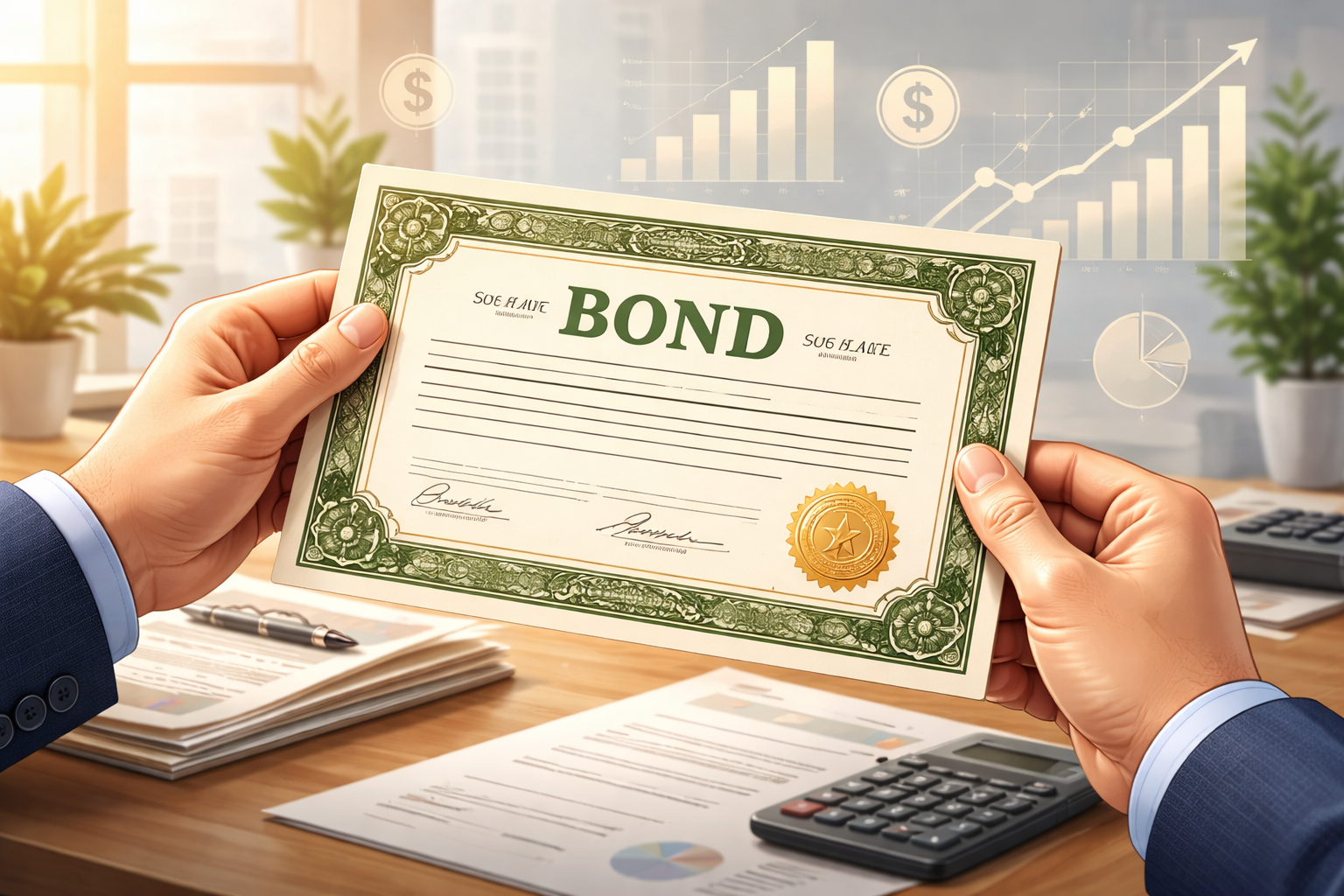
To invest in financial markets, you need to know about different types of investments, like stocks, mutual funds, and bonds. Bonds are one of the safest and most stable types of investments. But a lot of people want to know what a bond is in finance and why it matters to them. This in-depth guide will explain bonds in both simple and professional terms, covering their definition, key features, types, benefits, risks, and how investors can get the most out of them. At the end, you will know exactly what bonds are and how they can help you build a strong investment portfolio.
Getting a Grip on What a Bond Is
In finance, a bond is basically a kind of debt instrument. When someone buys a bond, they are giving money to the issuer, which could be a business, the government, or a city. The issuer, on the other hand, promises to pay interest for a set amount of time and the principal amount back when the bond matures. In short, a bond is like an IOU from the person who issues it to the person who buys it.
Bonds are important because they can give you predictable returns and lower the risk in your investment portfolio. Bonds are a great choice for conservative investors who want stability because they offer a fixed income. Stocks, on the other hand, can change a lot in value. The first step to making smart investment choices is to know what a bond is in finance.
Important Things About Bonds
Every investor should know about a few important things about bonds. First, bonds have a face value or principal, which is the amount the investor will get back when the bond matures. This amount is set and is usually what the investor pays to buy the bond. The coupon rate is another important part. It shows how much interest is paid on the bond’s face value. This interest is usually paid once a year or twice a year, and it gives the investor a steady stream of cash.
The maturity date of a bond is the date by which the issuer must pay back the principal amount. Bonds can have short-term maturities of one to three years, medium-term maturities of three to ten years, or long-term maturities of more than ten years. Also, the bond yield tells you how much money an investor can expect to make from a bond. This amount can change based on the market price and interest rates. Lastly, bonds have a credit rating that shows how well the issuer can meet its obligations. Bonds with high ratings are safer but may not pay as much interest. Bonds with low ratings are riskier but may pay more interest.
Different Types of Bonds
There are different kinds of bonds, and each one has a different purpose and level of risk. National governments issue government bonds, which are usually seen as low-risk because the government backs them up. Canada Savings Bonds and Government of Canada Bonds are two examples in Canada.
Companies issue corporate bonds to get money for growth, projects, or day-to-day operations. These bonds are riskier than government bonds, but they usually pay higher interest rates to make up for that risk. Local governments or municipalities issue municipal bonds to pay for things like schools, hospitals, and infrastructure. A lot of the time, these bonds don’t have to pay taxes, which makes them a good choice for some investors.
Other types are zero-coupon bonds, which don’t pay interest on a regular basis but are sold at a discount and paid back at face value when they mature. Convertible bonds have the added benefit of being able to be turned into a set number of company shares, which gives you the best of both debt and equity. Investors can pick options that fit their risk tolerance and investment goals if they know the different types of bonds.
How Bonds Work
To know what a bond is in finance, you need to know how bonds work in real life. The issuer starts the process by selling bonds to investors to get money. People who buy bonds pay either their face value or the current market price. During the life of the bond, the issuer pays interest to the bondholders on a regular basis. These payments are called coupon payments.
When the bond matures, the issuer pays back the investor the original amount. Investors can also buy and sell bonds on secondary markets before they mature. This lets them do so based on current interest rates and market conditions. Interest rates, inflation, and credit ratings are some of the things that affect bond prices. Investors can make smart choices and handle their investment risk well if they understand how these things work.
Reasons to Invest in Bonds
There are many benefits to investing in bonds. One of the main benefits is that bonds pay interest on a regular basis, which means you can count on a steady stream of income. Bonds also help keep capital safe, which is important for investors who want to take on less risk. Adding bonds to an investment portfolio gives you more options, which lowers your overall risk and balances out the ups and downs of other assets like stocks.
Some bonds, like municipal bonds, have tax benefits because the interest income may not be subject to federal or provincial taxes. Bonds also give you predictable returns, which makes them great for conservative investors or people who want to reach fixed financial goals, like retirement. Investors can use bonds wisely to reach both short-term and long-term goals if they know what the benefits are.
Risks that come with bonds
Bonds are usually safer than stocks, but they aren’t completely safe. Interest rate risk is one of the biggest risks. This means that bond prices go down when market interest rates go up. There is also credit risk because the issuer might not be able to pay back the interest or the principal. Inflation risk can also affect returns because higher inflation makes interest payments less valuable.
Some bonds also have liquidity risk, which means that it might be hard to sell them quickly in the market without changing the price. Knowing about these risks helps investors pick bonds carefully and stick to an investment strategy that is in line with their financial goals.
Why Bond Ratings Matter
Moody’s, Standard & Poor’s (S&P), and Fitch are examples of credit rating agencies that give bond ratings based on how likely the issuer is to pay back their debt. These ratings show how likely it is that the issuer will not make payments. Investment-grade bonds, also known as high-rated bonds, are safer but pay less interest. Bonds with low ratings, also known as “junk bonds,” are riskier but can also make more money.
Investors should always look at the bond ratings before deciding to buy them. A bond’s rating makes it easy to see how risky it is, so investors can choose options that fit their risk tolerance and investment goals.
How to Get Bonds
There are many ways to buy bonds. Most corporate and government bonds can be bought through a brokerage firm. Banks often sell bonds from the government and businesses directly to investors. It has also become easier to buy and manage bonds with just a few clicks thanks to online investment platforms.
Investors should look at interest rates, maturity dates, credit ratings, and market prices before buying bonds. A bond investment that has been thoroughly researched can give you steady income while lowering your risk of losing money.
Bonds and stocks: What’s the difference?
A lot of beginners mix up stocks and bonds, but they are very different things. Bonds are a loan to the issuer, while stocks show that you own a part of a company. Bonds usually pay a set amount of interest, while stocks may pay dividends and have the potential to increase in value. These are safer investments, so they are good for people who are cautious. Stocks, on the other hand, are riskier but also have a higher chance of making money.
Depending on their financial goals, risk tolerance, and investment horizon, investors often use a mix of stocks and bonds to balance growth and stability in their portfolios.
Bonds and Taxes
The way taxes are handled depends on the type of bond. Most of the time, the interest you earn on corporate bonds is taxable. However, some government and municipal bonds may not be. Investors should talk to a tax professional to find out what the effects are and how to get the most money back after taxes. Investing in bonds in a tax-efficient way can improve the performance of the whole portfolio and help investors reach their financial goals faster.
How to Invest in Bonds Successfully
To invest in bonds successfully, you need to know both the state of the market and your own financial goals. One way to manage interest rate risk and keep liquidity is to buy bonds with different maturity dates, which is called laddering. Diversification is another way to balance risk and return by holding a mix of government, corporate, and municipal bonds.
Investors should also keep an eye on interest rates and the state of the economy, since these things affect bond prices and yields. Investors can get the most out of their money while lowering their risks by using strategic methods.
Questions That Are Often Asked (FAQs)
What is a bond in finance?
A bond is a type of debt where an investor lends money to an issuer and gets interest payments and the principal back when the bond matures.
Q2: Are stocks riskier than bonds?
Yes, bonds are usually less volatile and give you returns that you can count on, which makes them safer than stocks.
Q3: How can I make money with bonds?
Investors make money by getting interest payments on a regular basis and by selling bonds before they reach maturity, which could cause the price to go up.
Q4: Is it possible for bonds to lose value?
Yes, bond prices can go down because of changes in interest rates, inflation, or credit risks.
Q5: What kinds of bonds are there?
Some common types are government, corporate, municipal, zero-coupon, and convertible bonds.
Q6: How do I pick the right bond?
Before choosing a bond, think about its credit rating, interest rate, maturity, tax effects, and your investment goals.
In Conclusion
Anyone who wants to build a stable and diverse investment portfolio needs to know what a bond is in finance. Bonds are great for conservative investors because they provide steady income, protect capital, and lower risk. Investors can make smart choices and get the most out of their investments by learning about the features, types, benefits, and risks of each one. Adding bonds to your financial plan can help you find balance, stability, and long-term growth potential, no matter how new or experienced you are as an investor.