Special Education in Canada

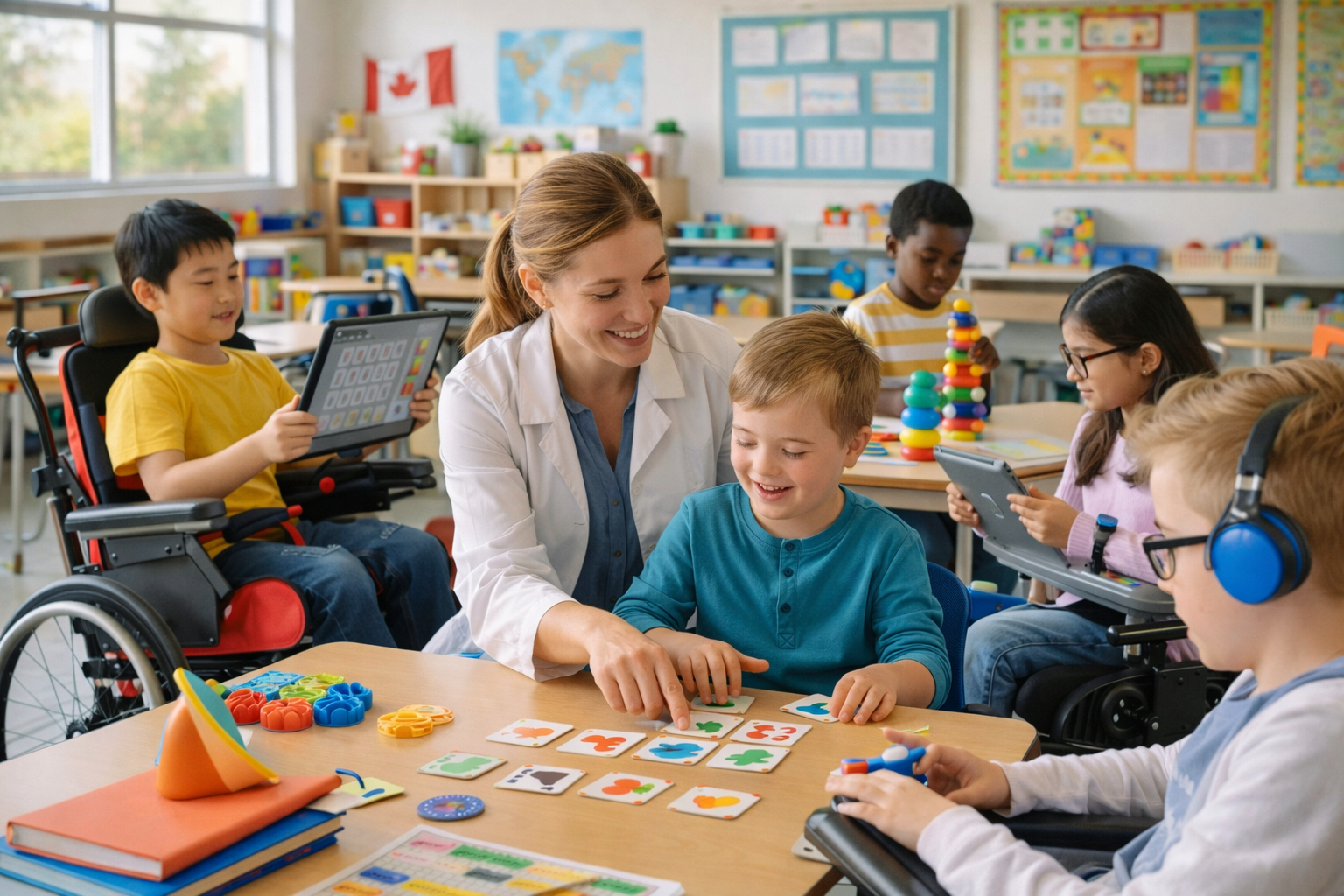
In Canada, special education is a well-thought-out system that makes sure that every child, no matter what their abilities are, can get a good education. Canada puts a lot of emphasis on making sure that children with disabilities or learning problems have access to the same educational opportunities as everyone else.
Parents, caregivers, and teachers often want to know a lot about the laws, programs, and resources that are available for kids who need special education. This guide gives you a full picture of how the Canadian special education system works, what help is available, and how it helps students.
The goal of special education in Canada is to make schools a place where kids with different skills can do well in school, make friends, and feel good about themselves. The goal is to help people develop their strengths, deal with problems, and become more self-sufficient.
What is Canada’s special education system?
In Canada, special education is the term for programs and services that help kids with disabilities or learning problems learn in a way that works for them. The goal is to make the environment welcoming to everyone so that they can learn and grow as people.
Important Parts of Special Education in Canada
Individualized Education Plans (IEPs): Each child’s learning plan is based on their strengths, weaknesses, and goals for school. IEPs spell out clear ways to help, strategies, and ways to evaluate.
Inclusive Classrooms: Canadian schools try to include all students, even those with disabilities, by putting them in the same classes as their peers whenever possible.
Speech therapy, occupational therapy, counseling, and assistive technology are all examples of professional support services.
Specialized Educators: Teachers who have been trained in special education make sure that students get the help and support they need.
In Canada, special education focuses on the child’s overall growth, not just their academic success. This makes sure that all students can fully participate in school and society.
Laws and Rules That Help Special Education
Canada has set up strong legal systems to protect the right to education for kids with disabilities. These laws make sure that all students are treated fairly and have access to the resources they need.
Important Laws
- The Canadian Charter of Rights and Freedoms says that everyone has the same chances to get an education, no matter what.
- Education Acts in Each Province: Each province has its own laws about special education. For instance, Ontario’s Education Act has specific rules for kids who need extra help.
- The Accessibility for Ontarians with Disabilities Act (AODA) aims to make schools accessible to all students.
These laws are the foundation of special education in Canada. They protect students’ rights and encourage learning that includes everyone.
Different kinds of special education programs
Canada has many programs to meet the different needs of its students. The age, learning needs, and level of support needed for these programs are all different.
1. Programs for Early Intervention
For kids with developmental delays or disabilities, early intervention is very important. These programs help kids from birth to age six with things like speech therapy, occupational therapy, and learning how to get along with others. Early intervention helps people learn better over time and fit in with others.
2. Education for Kids and Teens
Students may get different kinds of help during school, depending on what they need. Some of the programs are:
Resource Rooms: Small classrooms where people can get help one-on-one or in groups.
Specialized Classrooms: For kids who need a lot of help with their schoolwork.
Inclusive classrooms are where students with and without disabilities learn together, and they get extra help when they need it.
Teachers work with specialists to make sure that all of their students are learning and growing in important social and life skills.
3. Education after high school
Colleges and universities in Canada help and support students with disabilities. These could be things like help with schoolwork, assistive technology, and counseling. Postsecondary support helps students make a smooth transition from school to college or a job.
Individualized Education Plans (IEPs) and assessment
The process of assessment
In Canada, special education starts with a thorough evaluation to find out what a child is good at, what they need help with, and what they need. Some of the professionals who might be involved are speech therapists, occupational therapists, psychologists, and special educators. Assessments make sure that students get the right help based on what they can do.
Making an IEP
The Individualized Education Plan (IEP) is a key part of special education in Canada. It has:
- The student’s way of learning
- Goals for the short and long term
- Needed support services and accommodations
- Ways to keep track of progress
IEPs are looked at and changed on a regular basis to make sure they still meet the student’s needs for education and growth.
Help Services in Special Education
To help kids with disabilities do well in school and in life, Canadian schools offer a range of support services.
Services that are often used
- Speech and Language Therapy: This helps kids improve their communication skills, which are important for both school and socializing.
- Occupational therapy helps with daily tasks and the development of fine motor skills.
- Behavioral Support: Helps kids who have emotional or behavioral problems deal with their time in the classroom in a good way.
- Assistive technology, like communication devices, learning software, and adaptive equipment, makes learning easier and more fun.
These services make sure that children in Canada get all-around support in special education.
Education that includes everyone in Canada
The Canadian education system is based on the idea of inclusive education. Schools try to include kids with disabilities in regular classrooms whenever they can.
Advantages of Inclusive Education
Helps students make friends and learn social skills
Promotes understanding and lowers stigma
By giving students a variety of experiences, it helps them learn more.
Gets students ready for real-life social and work situations
Teachers and other school staff get ongoing training to learn how to use effective inclusive practices so that all students can learn with their peers.
Different provinces have different rules for special education
In Canada, each province is in charge of education, which means that each province may have its own way of doing things when it comes to special education.
For example
Ontario: Has resource rooms, specialized classrooms, and programs that include everyone and give each student their own support.
British Columbia: Focuses on classrooms that are open to everyone and gives extra help to students who need it.
Quebec: Puts a lot of emphasis on personalized plans and a lot of help for kids who have trouble learning.
Even though the rules are different in each province, the goal of special education in Canada is still the same: to give all kids equal access to a good education.
Money for Special Education
The government pays for most of Canada’s special education. Funding helps:
- Teachers and support staff for special education
- Programs and learning materials that are specific to a subject
- Tools and technology that help people with disabilities
- Parents can also get help from community programs and nonprofit groups in addition to what the government gives them. Funding makes sure that all families, no matter how much money they have, can still get special education.
Problems in Special Education
Even though Canada has a good special education system, there are still problems.
Limited Access in Rural Areas: In some remote areas, there may not be enough specialized teachers or facilities.
Limited Resources: Schools with a lot of students who need help may not be able to give them the help they need.
Awareness Gaps: Parents might not know about the services or programs that are available for their kids.
People are still working to make sure that children with disabilities get the help they need by making resources, access, and public awareness better.
How Parents Can Help Their Child
Parents are very important to the success of special education.
Know Your Rights: Find out what the laws are in your province and what services are available.
Stay involved by going to school meetings, helping to write your child’s IEP, and keeping an eye on their progress.
Use Resources That Are Available: Make use of government services, community programs, and nonprofit groups.
Advocate for Your Child: Make sure your child gets all the help they need to do well in school and with friends.
When parents are actively involved, it makes a big difference in a child’s learning and growth.
What will happen to special education in Canada?
Canada is still coming up with new ideas in special education. New trends are:
Adaptive Learning Tools and AI: Learning experiences that are tailored to each person’s needs.
Mental Health Focus: More schools are adding emotional and mental health support to their classes.
Expanded Post-Secondary Support: Colleges and universities are doing more and more to help students with disabilities.
The future looks bright for an education system that is more open, accessible, and high-tech, and that meets the needs of all students.
Questions and Answers About Special Education in Canada
Q1: What does Canada mean by “special education”?
A1: Special education in Canada makes sure that children with disabilities or learning problems have the same chances to learn by providing them with personalized programs and services.
Q2: Who can get special education help?
A2: Any child with a physical, learning, behavioral, or developmental disability may be eligible for special education.
Q3: What is an IEP, or Individualized Education Plan?
A3: An IEP is a personalized plan that lists a child’s learning goals, the help they need, and the best ways to teach them.
Q4: Is it free to get special education services?
A4: Yes, schools that get money from the government offer free special education services. These services may be supplemented by other private or community resources.
Q5: What can parents do to help their kids in special education?
A5: Parents can stay involved by going to school meetings, asking for help, and using resources from the community and the government.
In conclusion
In Canada, special education is a complete, open, and helpful way to learn. The system makes sure that kids with disabilities can do well in school, make friends, and feel good about themselves by giving them personalized plans, professional support services, and classrooms that are open to everyone.
Parents, caregivers, and teachers are very important to the success of special education. Canada’s special education programs keep getting better thanks to new ideas, easier access, and government support. They are a model for inclusive education around the world.
In Canada, special education is more than just a service; it’s a promise to give every child the tools they need to succeed, promote equality, and make the future brighter and more welcoming for everyone.