
Systeme Politique Canada: A Complete and Informational Guide

Canada is one of the most stable and free countries in the world. It has a political system that encourages freedom, fairness, and public involvement. People who want to study, work, or live in Canada often want to know how the government works. The système politique canadien tells us how power is shared, how leaders are chosen, and how laws are made in Canada.
This guide makes the Canadian political system easy to understand. It is all about facts, structure, and duties. The language stays simple so that everyone can understand the system without getting confused. The information is complete and useful for school, immigration, and general knowledge.
Getting to Know Canada’s Political System
People in Canada can vote for their representatives because the country has a democratic system. People vote in elections and have a say in national decisions. The government follows a written constitution that tells it who is in charge and what it can and can’t do. This structure protects people’s rights and makes sure that decisions are made fairly.
Canada’s political system came from British traditions, but it has changed over time to fit the needs of modern democracy. Today, it strikes a good balance between monarchy and democracy. The government is responsible to the people and works for them.
Canada is a constitutional monarchy
Canada has a king or queen as its head of state. That doesn’t mean that the monarch is in charge of the government. The role is still mostly symbolic and ceremonial. Elected officials still have real political power.
The monarch chooses a governor general to be the monarch’s representative in Canada. The Governor General has official duties like opening Parliament and signing laws. These actions are in line with the law and democratic norms. The monarch does not get involved in politics daily.
This system lets Canada honour tradition while also protecting democracy and freedom.
Canada’s Parliamentary Democracy
Canada has a parliamentary democracy. People vote for Members of Parliament who speak for them in the House of Commons. The party that gets the most seats usually has the leader who becomes Prime Minister.
The prime minister picks cabinet members from among the people who were elected. These ministers are in charge of government departments and make rules. The government can be questioned by Parliament and held accountable.
The political system in Canada makes sure that the government can’t rule without the help of elected officials.
How the Federal Government Works
There are three main parts to the federal government that work together. Every branch has a job that helps keep things fair and balanced.
The executive branch is in charge of running the government and making decisions. The legislative branch is in charge of making laws. The judicial branch makes sure that the rules are fair and interprets them.
This separation of powers keeps power from being concentrated and protects democracy.
Government Leadership and the Executive Branch
The prime minister, the cabinet, and the public administration are all part of the executive branch. The Prime Minister is in charge of the country and speaks for Canada at home and abroad.
Ministers in the cabinet are in charge of things like immigration, money, health, and education. They come up with policies and make sure they are followed. Parliament makes them responsible for the choices they make.
Executive power relies on the trust of the people and the support of Parliament.
What is the Parliament of Canada?
Canada’s parliament makes the laws. The Monarch, the Senate, and the House of Commons make up the three parts of it.
Parliament talks about national issues, makes laws, and agrees on how the government should spend money. It also keeps an eye on what the executive branch does.
The way Parliament is set up lets people carefully look over laws before they go into effect.
The House of Commons and the People
The House of Commons is the most important place for making laws. People in different parts of Canada vote for members of Parliament.
This chamber talks about laws, budgets, and policies for the whole country. During parliamentary sessions, the government needs to explain what it does.
The House of Commons is the best place to hear the public’s voice because its members are elected.
Review by the Senate and the Legislature
The Senate looks over laws that the House of Commons has passed. Senators are chosen to speak for regions and protect the country’s long-term interests.
The Senate looks closely at bills and suggests ways to make them better. This review process helps make better laws.
The Senate doesn’t run the government, but it does help keep democracy in balance.
The legal system and the independence of the law
The judicial branch does not work for the government. Courts interpret laws and protect people’s rights under the Constitution.
The Supreme Court of Canada is the highest in the country. It settles disagreements and makes sure that laws follow the Constitution and the Charter of Rights.
For fairness and public trust, the courts must be independent.
The Constitution of Canada
The Constitution is the most important law in Canada. It spells out what government institutions can do and protects people’s rights.
There are written documents and legal traditions in the Constitution. The Constitution makes any law that goes against it invalid.
This legal basis helps keep things stable and democratic.
The Canadian Charter of Rights and Freedoms
The Charter protects basic rights like the right to free speech, the right to be treated equally, and the right to a fair trial. The courts defend these rights against actions by the government.
The Charter makes democracy stronger by putting limits on what the government can do.
It is still a key part of Canada’s political system.
Shared Powers and Federalism
In Canada, the federal government and the provinces share power in a federal system. This structure takes into account the differences between regions.
The federal government is in charge of things that affect the whole country, like defence and immigration. Local services, education, and health care are all the responsibility of the provinces.
This balance lets people make decisions in their own communities while keeping the country together.
Governments of provinces and territories
Every province and territory has its own government and set of laws. Premiers are in charge of provincial governments and make decisions about regional policies.
The way provincial governments work is similar to how the federal government works. They are still responsible to the voters in their area.
This system makes sure that a big country has a good government.
Voting and the Election Process
Canada has regular elections so that people can choose their representatives. There are strict rules for elections to make sure they are fair and open.
People vote for candidates in their own districts. The person who gets the most votes gets the seat.
Elections help people participate in democracy and hold politicians accountable.
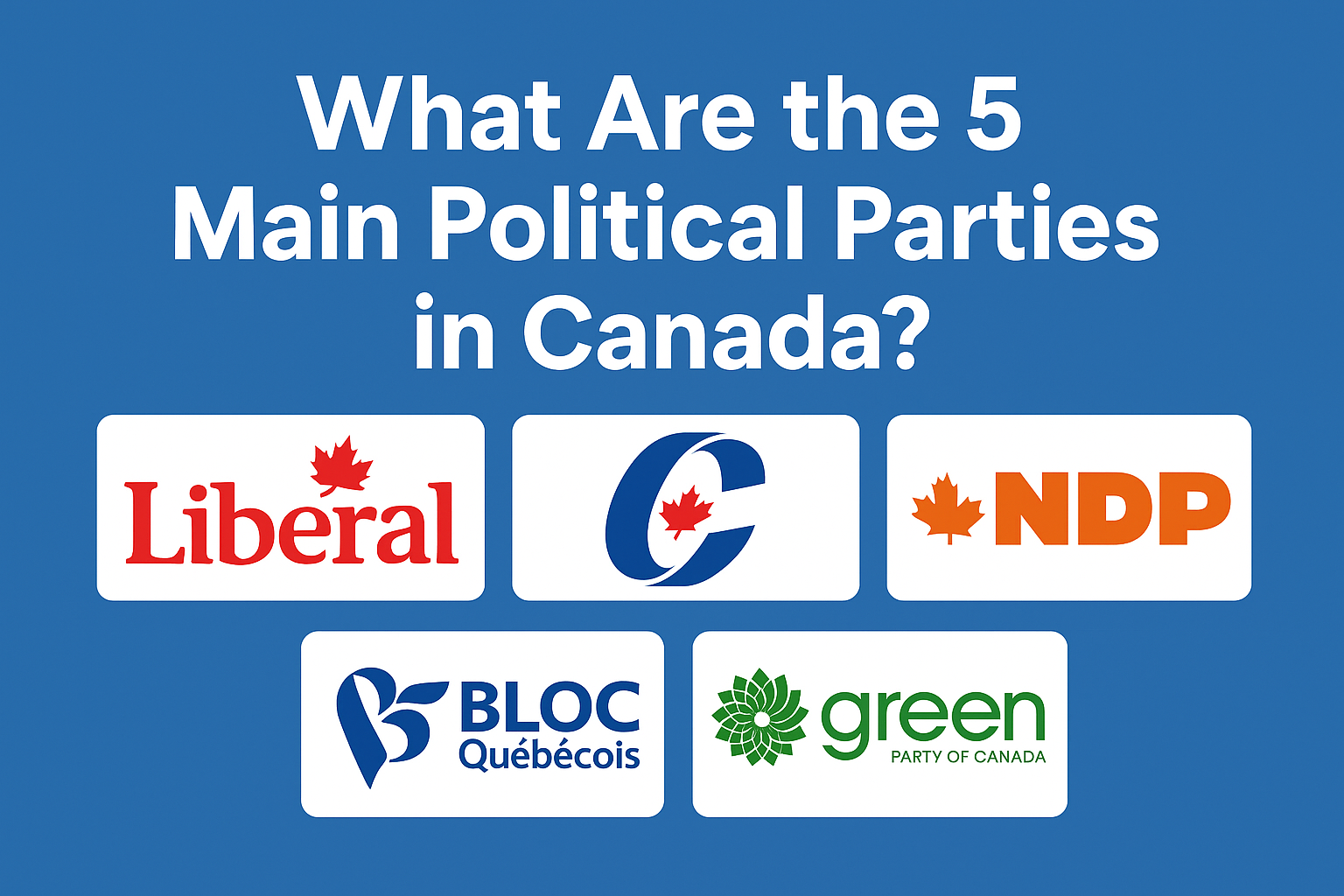
Political Parties and the Right to Choose
Political parties stand for different ideas and ways of doing things. People pick parties that match their beliefs.
Democracy gets stronger when there is more than one party running for office. Debate and discussion help people make better choices.
This system promotes equity and representation.
The Role of Media and Public Responsibility
The media is very important for keeping people up to date on what the government is doing. Journalists write about political decisions and policies.
Governance is better when there is public debate and openness. People stay informed and make sure their leaders are doing their jobs.
A free press makes democracy stronger.
Indigenous Governance and Representation
Indigenous communities have their own rights and ways of running things. The government acknowledges these rights via treaties and legislation.
Indigenous involvement makes things more fair and more open to everyone.
Respect for Indigenous governance is still important in Canadian politics.
Problems with the Canadian Political System
Canada has problems like getting people to vote and making policies too complicated. To deal with these problems, we need to learn and get involved.
The system is still stable and flexible, even though it has problems.Strong institutions support democratic continuity.
What will happen to Canadian politics in the future?
Canada’s political system is still changing to keep up with social and technological changes. Values of democracy are still important.
The political system in Canada will keep changing while keeping rights and stability safe.
Questions and Answers About the Canadian Political System
What kind of government does Canada have?
Canada has a democratic government with a constitutional monarchy and a parliament. People vote for representatives who help make laws and decisions for the government. This system makes sure that everyone can take part and be held accountable at all levels of government.
Who is the leader of Canada?
In Canada, the monarch is the head of state. The role is still mostly ceremonial and symbolic. The king or queen does not make political decisions. According to the law, a governor general is the monarch’s representative and does constitutional duties.
Who is in charge of the Canadian government?
The prime minister runs the government of Canada. The prime minister leads the executive branch and selects cabinet ministers from elected members of Parliament. These leaders are in charge of the government’s departments and national policies.
What is the process for making laws in Canada?
Parliament makes laws. The House of Commons and the Senate talk about and agree on a proposed law. The law gets royal assent after it is approved, and then it is official.
What does Parliament do in Canada?
Parliament talks about national issues, makes laws, and keeps an eye on the government. It makes sure that the government does things that are legal and fair.
How do the federal and provincial governments divide power?
The Constitution gives power to both the federal and provincial governments. The federal government takes care of national problems, while the provinces take care of education, health care, and local services. This division helps the country stay together and lets regions be free.
Why are elections important in Canada?
Elections let people pick their representatives. Voting gives people a say in how the government works and makes sure that leaders are responsible to the people.
What rights do people in Canada have?
The Canadian Charter of Rights and Freedoms protects the rights of citizens. These rights include the right to be treated equally, the right to speak your mind, and the right to legal protection. To make sure things are fair, courts enforce these rights.
Is the political system in Canada stable?
The Canadian political system is stable because it has strong institutions, courts that are not biased, and a long history of democracy. These things help with long-term governance and trust in the government.
In conclusion
Canada has a well-organised and democratic political system that encourages stability, fairness, and public involvement. The country can honour tradition and keep up with modern government because it has both a constitutional monarchy and a parliamentary democracy. The separation of powers between the federal and provincial governments makes sure that regions are run well.
The Constitution and the Charter of Rights and Freedoms are two parts of Canada’s political system that protect people’s rights. Independent courts, regular elections, and open institutions all make people more accountable and trustworthy. People can better interact with Canadian society and public institutions when they understand how the political system works. Anyone who wants to know how Canada works, including students and new residents, will find this information useful.