
Can Dogs Eat Popcorn


Popcorn is light, crunchy, and satisfying, whether you’re watching a movie or just want a quick snack. But when your dog looks at you with those begging eyes, you might wonder if dogs can eat popcorn.
Yes, dogs can eat popcorn, but only plain, air-popped popcorn in small amounts. Dogs can eat popcorn, but how you make it makes a big difference in whether it’s safe or not.
This guide will tell you everything you need to know about whether popcorn is good or bad for dogs, the health benefits and risks, and the best way to serve it safely.
Is it okay for dogs to eat popcorn?
Corn kernels are what make popcorn, and dogs can usually eat them safely. The problem starts when you add butter, salt, oil, or flavorings to popcorn. Most of the popcorn people eat isn’t plain, and the extra ingredients can be bad for your pet.
Plain, air-popped popcorn with no salt, butter, or artificial flavors is the safest kind of popcorn for dogs. On the other hand, kernels that haven’t popped can be dangerous. They could get stuck in a dog’s teeth, hurt their gums, or even choke, especially in smaller breeds.
If you want to give your furry friend some popcorn, make sure it’s fully popped, plain, and cool before you do.
The Health Benefits of Plain Popcorn
Popcorn is a whole grain that is good for dogs in small amounts. It has some B vitamins, fiber, iron, magnesium, and zinc. Popcorn can add a little bit of nutrition to your dog’s diet, but it should never take the place of their regular meals.
Plain popcorn can be a low-calorie snack or a treat every now and then. As long as it’s served right, it gives dogs a little crunch without being high in fat or sugar.
Why Popcorn Is Good for Dogs
Popcorn isn’t a superfood, but it can be good for you in small amounts when you eat it right:
1. A snack that is light and low in calories
Plain popcorn is a light snack for dogs who need to watch their weight because it has very few calories and no sugar or fat. It’s also a good choice instead of processed snacks that are high in calories or have fake ingredients.
2. Gives you dietary fiber
Popcorn has a fair amount of fiber, which can help with digestion and keep your bowel movements regular. A few pieces can help your dog’s gut health, but too many can make it sick.
3. Has Antioxidants
Polyphenols are natural antioxidants that are found in plain popcorn. These substances help the body fight oxidative stress, which is good for the health of all cells.
4. A great reward for training
Popcorn is a good reward for training because it is crunchy and easy to eat. It’s fun to play with and doesn’t make a mess, so it’s a good choice for playtime or obedience training.
Feeding dogs popcorn can be dangerous.
Plain popcorn is generally safe, but flavored or poorly made popcorn can be dangerous.
1. Things that can make you choke
Kernels that haven’t popped or have only partially popped can get stuck in a dog’s throat, teeth, or gums. This can make you uncomfortable, cause dental problems, or make you choke, especially in small breeds.
2. More butter and salt
Butter, oil, and salt are in a lot of the popcorn we eat. Butter has a lot of fat, which can make you fat and give you pancreatitis. When dogs eat a lot of salt, it can make them dehydrated or cause sodium poisoning.
3. Flavors that aren’t real
Cheese, caramel, or spicy seasoning popcorn may have toxic ingredients like onion powder, garlic salt, or sugar. These can cause serious stomach problems, allergic reactions, or even health problems that last a long time.
4. Stomach Problems
If you eat too much popcorn, you might get gas, bloating, vomiting, or diarrhea. Some dogs may also be mildly allergic to corn, which can make their skin itchy or irritated.
5. Microwave popcorn has chemical coatings.
Microwave popcorn bags often have chemicals on them, like perfluorooctanoic acid (PFOA), which is bad for you if you eat it. The oils and other chemicals in these packets are also not safe for dogs.
How to Give Dogs Popcorn Safely
Follow these easy steps to safely let your dog eat popcorn:
1. Popcorn that has been air-popped
You can make popcorn without oil, butter, or any other flavoring by using an air popper or the stove. The safest and healthiest way to make popcorn for dogs is to pop it in the air.
2. Take out the unpopped kernels
Before you give your dog popcorn, check the bowl and take out any kernels that are hard or haven’t popped yet. They can hurt your dog’s teeth or make them choke.
3. Make sure the portions are small
Only give a few pieces of popcorn at a time. Treats, like popcorn, should not make up more than 10% of your dog’s daily calories. Eating too many healthy snacks can make you gain weight.
4. Keep an eye out for allergic reactions
Start with small things and see how your dog reacts. If your dog starts to itch, get an ear infection, or have an upset stomach after eating popcorn, stop giving it to them and call your vet.
How Much Popcorn Can Dogs Eat?
- The amount depends on how big, old, and healthy your dog is.
- Dogs that are small should only eat two to three pieces of plain popcorn.
- Five to ten pieces are okay for medium-sized dogs.
- Big dogs can have a small handful, but not every day.
- Popcorn should only be given to your dog as a treat, not as part of their regular diet.
If your dog eats too much popcorn, here’s what to do:
- If your dog eats too much popcorn by accident, don’t panic; just watch for signs. Vomiting, diarrhea, not wanting to eat, or being tired are all signs of distress.
- If the popcorn had a lot of butter, salt, or flavor, you should call your vet right away. Too much salt or fat can lead to dehydration or pancreatitis, both of which need to be treated right away.
- If the case is mild, give your dog fresh water and let it rest. Don’t give them any more treats or fatty foods for a day or two.
Popcorn Alternatives That Are Better for Dogs
There are many safe and healthy snacks you can share instead of popcorn. Instead, try these:
- Carrot sticks are crunchy, low in calories, and full of vitamins.
- Sweet apple slices that are high in fiber (take out the seeds).
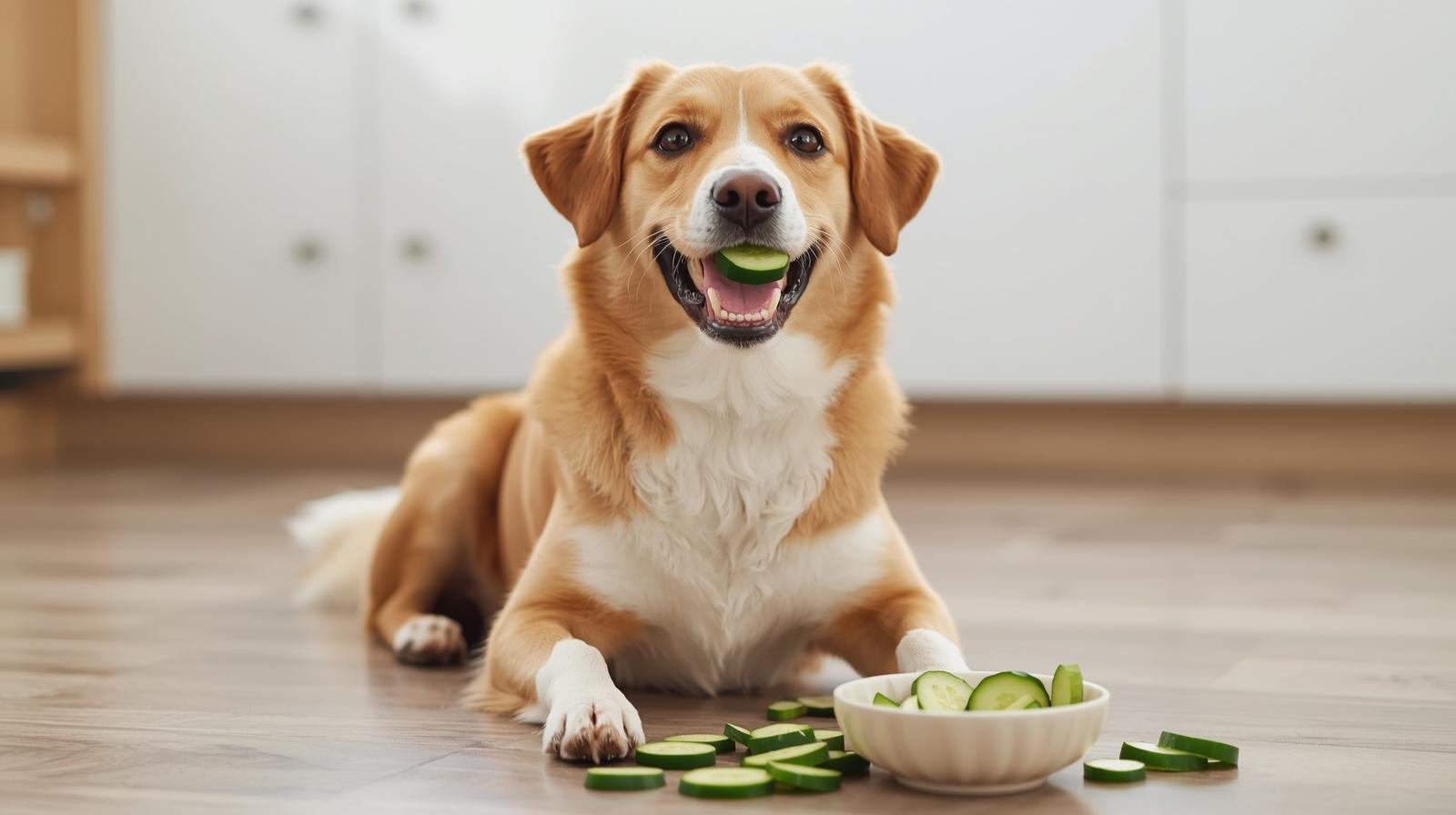
- Cucumber slices: They cool you off and keep you hydrated.
- Pumpkin cubes are good for you and easy on your stomach.
- Dog treats you make yourself: Use safe things like oats, bananas, or peanut butter.
- These snacks are healthier and less risky than popcorn.
Questions that are often asked (FAQs)
1. Is it safe for dogs to eat microwave popcorn?
No, microwave popcorn is not safe for dogs because it often has oils, salts, and fake flavors in it that can hurt your dog’s stomach.
2. Is it okay for puppies to eat popcorn?
Puppies shouldn’t eat popcorn. Their teeth and digestive systems are still growing, so they are more likely to choke or have an upset stomach.
3. Is popcorn bad for dogs’ teeth?
Kernels that aren’t popped can hurt teeth or get stuck between the gums. Make sure the popcorn is fully popped before you give it to your dog.
4. Is it okay for dogs to eat buttered popcorn once in a while?
If you feed your dog buttered popcorn often, even a little bit can upset their stomach or cause long-term health problems. It’s best to stay away from it.
5. What kind of popcorn is safe for dogs?
Plain, air-popped popcorn with no salt, butter, or flavoring added is the safest choice.
Final Decision: Is it Safe for Dogs to Eat Popcorn?
So, can dogs have popcorn? Yes, but only under certain conditions. Dogs can eat small amounts of plain, air-popped popcorn without any problems. Don’t eat buttered, salted, caramel, or flavored popcorn because they can be bad for your health over time.
Before serving, make sure the popcorn is completely popped, cool, and free of kernels. As long as you don’t give your dog too much and make it easy to make, popcorn can be a fun, crunchy snack to share with your pet every now and then.