

Canada Traffis

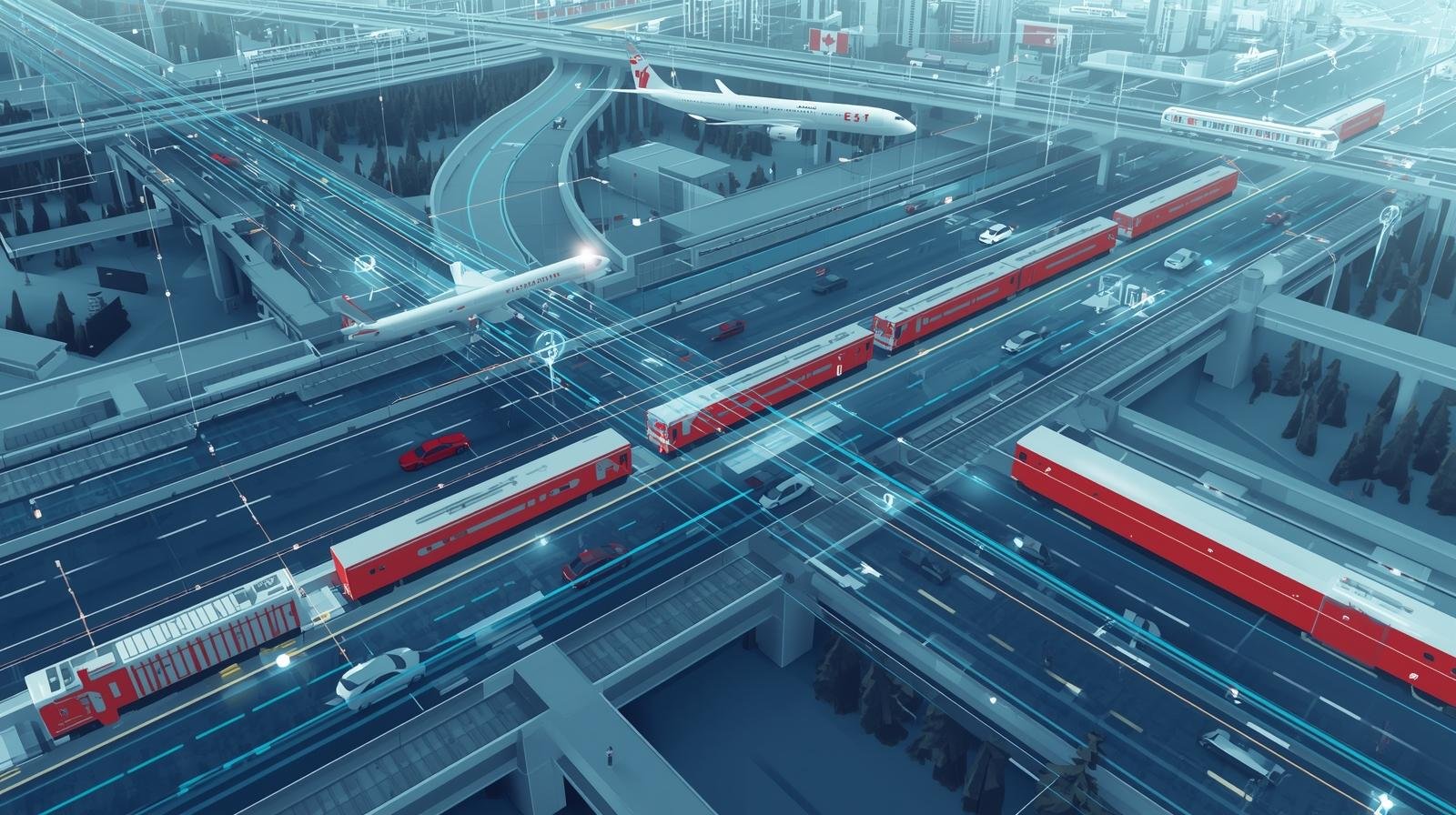
Canada Traffis is the complete system that governs, monitors, and manages transportation and mobility across the country. It includes every aspect of how people, goods, and services move through roads, highways, airports, ports, and railways. Canada Traffis reflects not only the physical infrastructure but also the policies, technology, and management systems that ensure safe, efficient, and sustainable transportation nationwide.
This integrated framework connects urban centers, rural communities, and international trade corridors, making one of the most vital elements of the nation’s economic and social foundation.
What Is CanadaTraffis?
Canada Traffis represents the organized system of transportation movement and traffic management that defines how Canada operates its mobility network. It involves coordination between federal, provincial, and municipal authorities to maintain flow, reduce congestion, enhance safety, and support sustainable development.
In simple terms, CanadaTraffis is not limited to cars and roads it encompasses every mode of transport:
- Road and highway systems
- Rail freight and passenger services
- Aviation routes and airport logistics
- Marine and port operations
- Public and active transport infrastructure
The goal of Canada Traffis is to keep the country connected, safe, and moving efficiently while adapting to technological change and environmental responsibility.
How Canada Traffis Works
The smooth operation of Canada Traffis depends on three essential layers: infrastructure, management, and governance.
1. Infrastructure Network
The foundation of Canada lies in its physical assets highways, roads, railways, bridges, airports, and ports. Each province manages local systems, while national corridors and interprovincial routes fall under federal oversight. This network ensures accessibility across Canada’s vast geography, linking production centers with markets and communities.
2. Management Systems
Canada uses intelligent transport technologies to monitor and control movement. Smart traffic lights, sensor-based monitoring, GPS-enabled logistics, and digital data analytics help authorities manage flow in real time. These systems detect congestion, manage emergencies, and provide drivers and freight operators with accurate route information.
3. Governance and Policy Coordination
Transport Canada and local agencies establish regulations that define speed limits, freight standards, safety measures, and environmental guidelines. The collaboration between federal and provincial entities ensures that CanadaTraffis functions consistently and effectively across all jurisdictions.
Canada Traffis Policies and National Approach
The policies behind Canada Traffis focus on three main objectives.Safety, sustainability, and efficiency.
Key national initiatives include:
- Safety and Enforcement: Road safety campaigns, driver education, and strict law enforcement reduce collisions and fatalities.
- Sustainable Mobility: Encouraging electric vehicles, cleaner fuels, and integrated public transit systems reduces environmental impact.
- Infrastructure Modernization: Investing in new highways, bridges, rail expansions, and smart city projects ensures that CanadaTraffis keeps pace with demand.
- Freight Optimization: Streamlining logistics through digital platforms improves commercial transport efficiency and competitiveness.
- Public Transit Integration: Coordinating regional bus, subway, and rail networks reduces congestion and provides equitable mobility.
These policies keep CanadaTraffis adaptable, aligning with global standards of smart and sustainable transport.
Examples of Canada Traffis in Action
CanadaTraffis can be seen in motion across different regions and sectors:
- Urban Traffic Systems: Cities like Toronto and Vancouver operate real-time traffic management centers that analyze data to optimize traffic signals and prevent gridlock.
- Freight Corridors: Major trade highways and border crossings under CanadaTraffis ensure reliable transportation for domestic and international goods.
- Emergency Coordination: During extreme weather or emergencies, CanadaTraffis systems reroute traffic, guide emergency vehicles, and keep essential services accessible.
- Smart Technology Integration: Connected vehicle technologies and intelligent sensors form part of Traffis innovations that enhance safety and reduce travel times.
- Sustainable Transportation Projects: Investments in electric bus fleets and green corridors demonstrate how Traffis supports environmental goals.
These examples show how CanadaTraffis operates as a living system — responsive, data-driven, and focused on continuous improvement.
Canada Traffis Relief and Improvement Programs
To maintain efficiency, Traffis operates multiple relief and enhancement programs:
- Incident Response Programs: Reduce congestion through quick accident clearance and coordinated communication between agencies.
- Transit Expansion Projects: Provide more options for commuters, lessening pressure on main highways.
- Active Transportation Support: Expands infrastructure for cycling and walking, reducing overall vehicle volume.
- Freight Efficiency Plans: Introduce digital scheduling and off-peak delivery incentives for trucks and logistics firms.
- Congestion Mitigation Strategies: Employ adaptive traffic signals and dynamic tolling to maintain steady flow.
Each program under CanadaTraffis focuses on improving both user experience and system performance, while aligning with sustainability and innovation goals.
Economic Importance of Canada Traffis
The influence of Canada Traffis extends deep into the economy. A strong transportation network enables efficient supply chains, promotes trade, and supports employment.
1. Trade Competitiveness
Canada duty keeps goods moving between provinces and international borders, directly supporting export industries and market accessibility.
2. Productivity and Business Efficiency
Reduced congestion means lower travel times, lower logistics costs, and improved reliability for businesses. This makes Canadian industries more competitive globally.
3. Infrastructure Investment
Public investments in highways, ports, and airports through CanadaTraffis programs stimulate job creation and boost local economies.
4. Environmental Value
By promoting low-emission transportation, Traffis contributes to national sustainability and carbon-reduction targets, aligning economic growth with ecological responsibility.
Strategic Role of Canada Traffis
Beyond immediate economic gains, Canada duty plays a critical strategic role in long-term national planning:
- Urban Development Alignment: Integrating transportation with land use ensures balanced, efficient city growth.
- Technology Advancement: Encourages research in intelligent transport systems, electric mobility, and autonomous vehicles.
- Public Safety Framework: Strengthens emergency response, disaster recovery, and road safety management.
- Policy Innovation: Promotes adaptive laws that keep Canada duty future-ready for technological and demographic changes.
Canada duty is not static — it is a continuously evolving structure guiding Canada’s path toward smarter mobility and sustainable growth.
Future Outlook of CanadaTraffis
The future of Traffis is defined by transformation and innovation.
Key trends shaping the outlook include:
- Smart Mobility Evolution: Expansion of AI-powered systems, data analytics, and connected vehicles for real-time decision-making.
- Green Infrastructure: Increased investment in electric vehicle charging networks and renewable energy transport hubs.
- Automation and AI: Adoption of autonomous driving technologies and predictive analytics to reduce accidents and optimize logistics.
- Data Transparency: Open access to transport data will empower citizens, researchers, and businesses to contribute to better traffic management solutions.
- Resilient Infrastructure: Building adaptable systems under CanadaTraffis that can withstand climate challenges and population growth.
These advancements point to a future where Traffis becomes a model for intelligent, sustainable, and globally competitive transportation systems.
Conclusion
Canada Traffis is far more than a transportation framework it is the heartbeat of national connectivity and economic strength. By integrating infrastructure, policy, technology, and sustainability, Traffis ensures that movement across the nation remains safe, efficient, and forward-looking.
It unites people and markets, reduces environmental impact, and fuels innovation in how mobility is managed. As Canada continues to invest in smarter infrastructure and cleaner energy, Traffis stands at the core of a modern, connected, and resilient future. In essence, Canada Traffis is the pathway through which Canada moves powering growth, shaping communities, and defining the next generation of transportation excellence.