
How Are Rocks Used in Transportation?

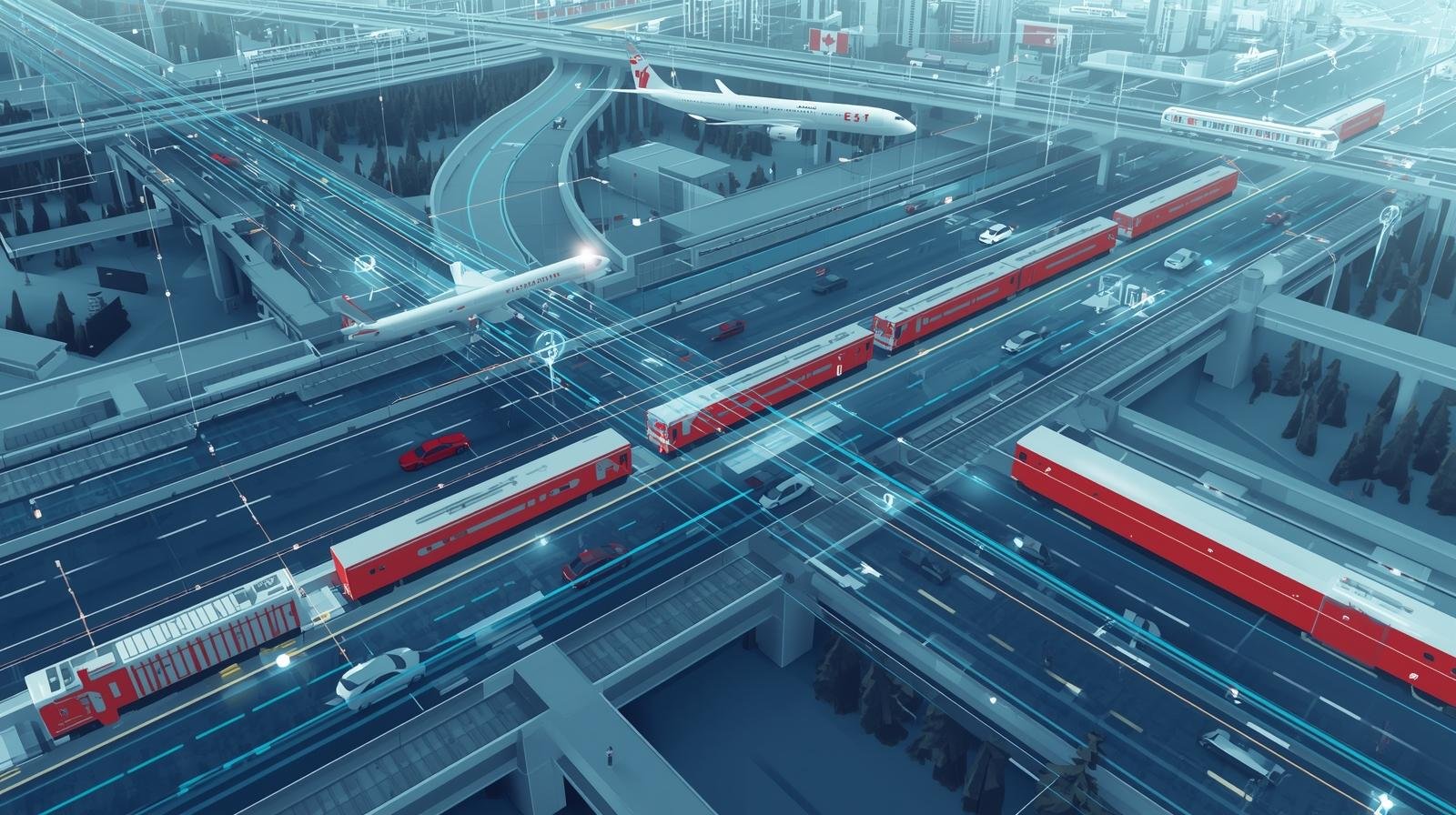
Transportation is essential for trade, daily life, and economic growth. Cities, industries, and countries are all linked by roads, railways, airports, and ports. Natural materials give strength and support to every good transportation system. Rock is one of the most important materials. A lot of people want to know how rocks are used in transportation. The answer shows how important they are for modern infrastructure.
Rocks are the base of almost every transportation system. Engineers choose certain types of rocks because they are strong, stable, and last a long time. Rocks make sure that travel is safe and that things move smoothly, from highways to train tracks.This article explains in detail how rocks are used in transportation and why they remain crucial for global growth.
Why Rocks Are Important for Infrastructure
Before talking about specific uses, it’s important to know why rocks are important for building and moving things. Rocks are natural, long-lasting, and easy to find. They can handle pressure, bad weather, and heavy loads. These traits make them perfect for holding up cars, trains, and planes.
Transport systems are always under stress. Every day, big trucks drive on highways. Trains move things over long distances. Planes land with a lot of force. These systems would break down without a strong base. Rocks give you the strength you need. When we look at how rocks are used in transportation, we see that they are the main part of infrastructure.
How Do Rocks Help Build Roads?
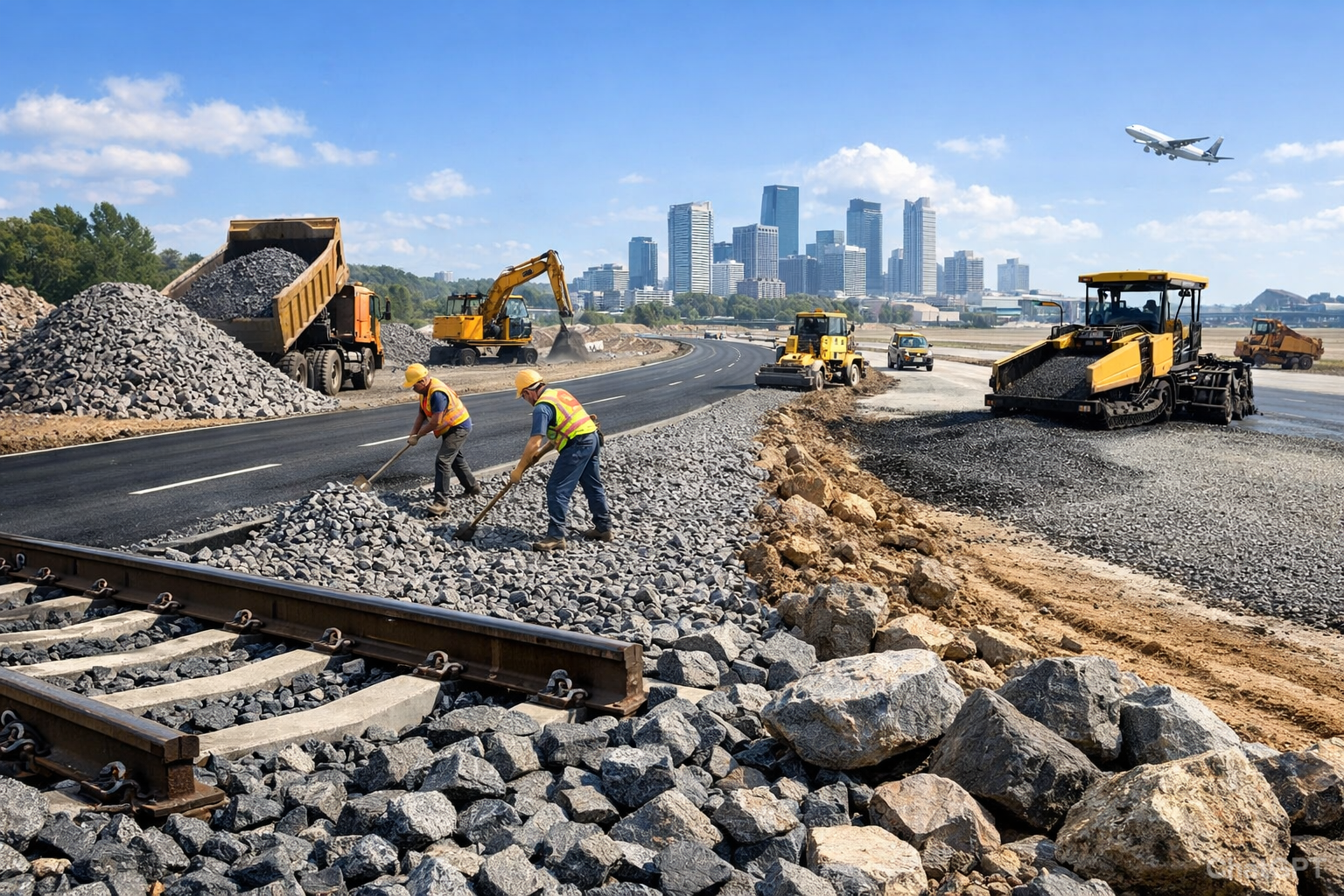
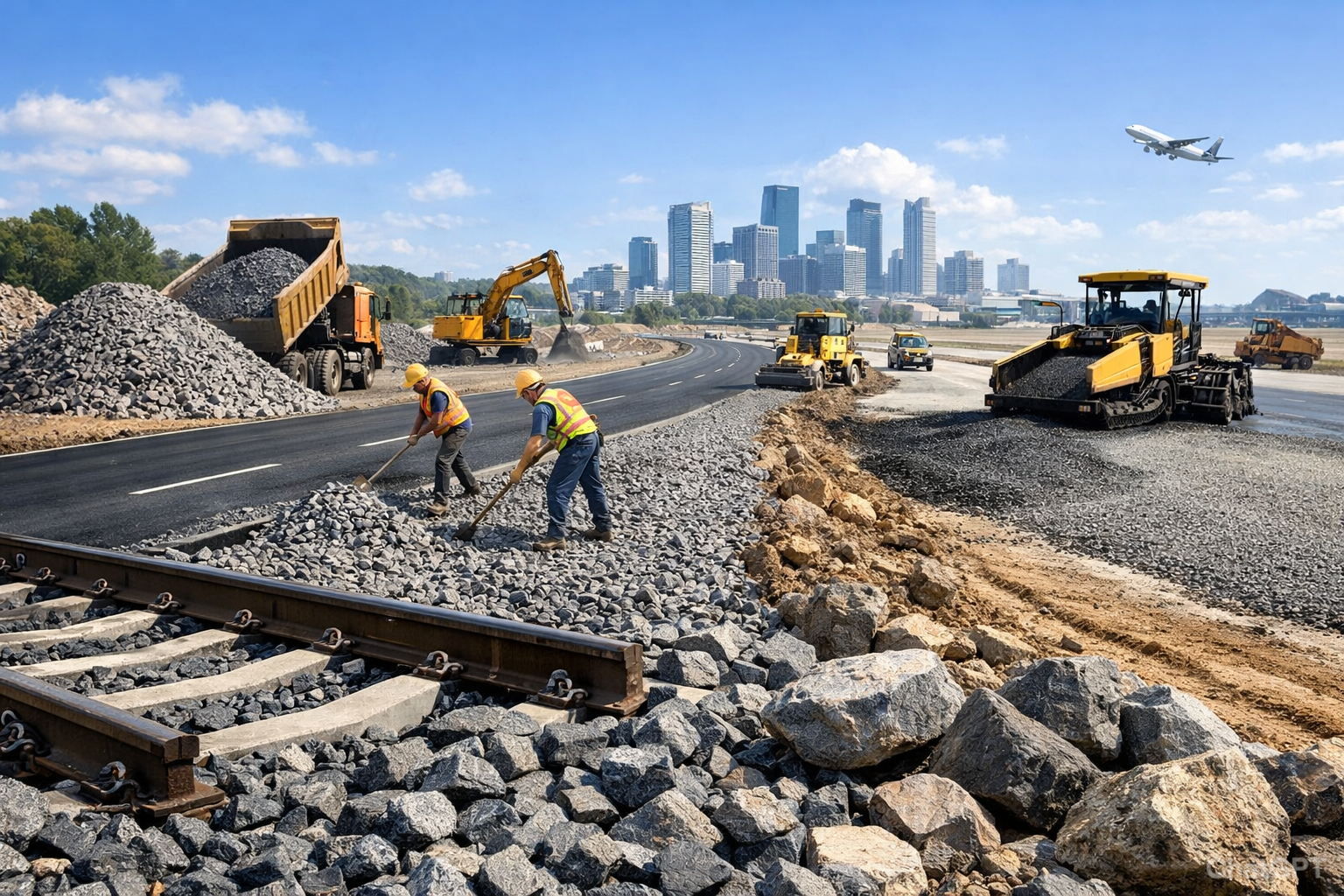
One of the most common ways that rocks are used in transportation is to build roads. Crushed stone and other aggregates are what make up every highway, street, and rural road.
The Base Layer
Engineers first get the ground ready and then add a base layer of crushed rocks. This layer keeps things from sinking by spreading the weight evenly. People often use granite, limestone, and basalt as rocks. These materials are strong and won’t crack when there is a lot of traffic.
Aggregates in Concrete and Asphalt
Asphalt or concrete is used to make roads. Aggregates, which are crushed rocks, are in both materials. These aggregates make things last longer and wear down less. Without rock aggregates, roads would break up quickly and need to be fixed all the time.
Stability and Drainage
Rocks also help water flow. Water can’t get through the base layer because the crushed stones let it through. Good drainage makes roads last longer and costs less to keep up.
Road building is the best example of how rocks are used in transportation. Rocks make up the base, make the surface stronger, and protect the building.
How do people use rocks to build railroads?
Railways need tracks that are stable and well-balanced. Trains move quickly and carry a lot of weight. Any instability can lead to bad accidents. Rocks are very important for the safety of railroads.
Ballast for Railways
Ballast is a layer of crushed stone that the railway tracks sit on. This ballast keeps wooden or concrete sleepers in place and keeps the track straight. Granite is often used as ballast because it is strong and doesn’t break down in bad weather.
Ballast has a lot of different jobs. It takes in vibrations from trains that are moving. Stops plants from growing. It lets water flow away from the tracks. These features make sure that safety and efficiency last for a long time.
So, when talking about how rocks are used in transportation, railway ballast is a clear and strong example.
How do they use rocks to build airports?
Airports need very strong surfaces because planes put a lot of pressure on them when they land and take off. Engineers need rocks to make runways and taxiways that are safe.
Base Layers for the Runway
The base layer under airport runways is made of crushed stone. This layer holds up the weight of the plane and stops cracks from forming. Basalt and granite are good for this because they can handle heavy loads.
Mixtures of concrete and asphalt
High-quality aggregates are used in airport pavements. These aggregates make things stronger and less likely to get damaged on the surface. Runways wouldn’t be safe without rock materials.
Airports show how rocks can handle even the toughest conditions, which is important when looking at how rocks are used in transportation.
How are rocks used in roads and bridges?
Bridges link areas that are separated by valleys and rivers. Highways go through mountains and land that isn’t flat. In both cases, rocks are used to support the building.
Engineers use crushed rock as a base for bridge supports. Big rock blocks also keep water from eroding the bridge pillars. Rock walls keep hillsides stable along highways. These walls keep landslides from happening and keep people safe.
So, to understand how rocks are used in transportation, you need to know how they help keep people safe and protect buildings.
Rocks in Ports and on the Water
Rocks are also important for moving water. Ports deal with heavy cargo and a lot of traffic. Engineers use rocks to make docks that won’t move and keep coastlines safe.
Breakwaters made of big rocks lessen the force of waves. These buildings keep ships and port facilities safe. Crushed stone also helps build docks and container yards.
When looking at how rocks are used in transportation, maritime infrastructure shows that they are important for more than just land systems.
Rocks That Are Often Used for Transportation
Different kinds of rocks are needed for different projects. Engineers pick rocks based on how hard they are, how long they last, and how easy they are to find.
Granite is tough and lasts a long time. It works well for building roads and putting down ballast on railways. Basalt is very strong against pressure and weather. People use limestone a lot because it’s easy to find. Engineers often use it in concrete and base layers. Builders may use sandstone in some projects where moderate strength is sufficient.
Each type of rock helps answer the question of how rocks are used in transportation by fulfilling specific engineering needs.
Environmental Concerns and Responsible Use
Sustainability is a big part of modern infrastructure projects. If not done correctly, quarrying rocks can hurt the environment. But engineers now use recycling methods to cut down on waste.
New construction projects often use crushed stone and concrete from old roads. This practice uses fewer resources and has less of an effect on the environment.
When talking about how rocks are used for transportation, sustainability is now an important part of planning.
The economic significance of rocks in transportation
Rocks are cheaper than a lot of artificial materials. They are easy to find and don’t need much processing. Because this is affordable, governments can build large transportation networks.
Infrastructure for transport helps trade and jobs. Economic growth slows down when roads and railways aren’t reliable. Rocks make these systems work at a price that is fair.
So, learning how rocks are used in transportation also shows how they help the country grow.
Safety Benefits of Using Rocks for Transport
Safety is still the most important thing to think about when designing infrastructure. Rocks make things safer by making stable bases and lowering the risk of structural failure.
Ballast on the railway lowers vibration and stops trains from going off the tracks. Road aggregates make the road more slippery and less slippery. Stones that protect bridges stop erosion damage.
Each application shows how rocks are used in transportation to keep people safe.
Improvements in Rock Processing Technology
Modern technologies for crushing and screening rocks make them better. Engineers now make aggregates that are all the same size, which improves performance. Advanced testing makes sure that rocks meet strict safety standards.
Better processing makes things last longer and costs less to fix. These improvements make rocks even more important for transportation infrastructure.
The Future Role of Rocks in the Development of Transportation
The demand for transport keeps going up because cities are getting bigger and trade is happening all over the world. Every year, developing countries build new roads and railroads. Rocks will still be needed for these projects.
Engineers also look into new ways to build that use both natural rocks and high-tech materials. Natural stone, on the other hand, will always be the base for infrastructure around the world.
When thinking about how rocks are used in transportation, it’s clear that this important resource will still be needed in the future.
Questions that are often asked (FAQs)
Why are rocks important for roads and bridges?
Rocks are strong, stable, and long-lasting. They hold up heavy loads and keep roads, railways, airports, and bridges from falling apart.
What kind of rock is best for building roads?
People often choose granite and basalt because they don’t wear down or break under heavy pressure.
What do rocks do to help train tracks?
Ballast is crushed stone that keeps tracks stable, helps with drainage, and absorbs vibrations from trains.
Do they use rocks on airport runways?
Yes, crushed rocks make up the base layers and make concrete or asphalt surfaces stronger at airports.
Can builders use recycled rocks to build roads?
Recycled crushed stone and concrete often help build roads and create strong base layers, which reduces environmental damage.
Final Thoughts
Natural materials are very important for transportation systems. Rocks are the most important of these materialsRocks strengthen roads, railways, airports, and ports, making them safer and more stable. When we learn how rocks are used in transportation, we clearly see their importance in modern infrastructure.
Engineers use different types of rocks for different projects. They make things last longer, lower maintenance costs, and make things safer. Rocks will always be important for growth and economic progress, even as transportation around the world gets better.
In summary, the ability of rocks to form strong foundations, support heavy loads, and protect infrastructure explains their use in transportation. Their work has a big impact on the world today and helps people and things get around safely every day.