
How budget week turned into a nightmare for the Conservatives

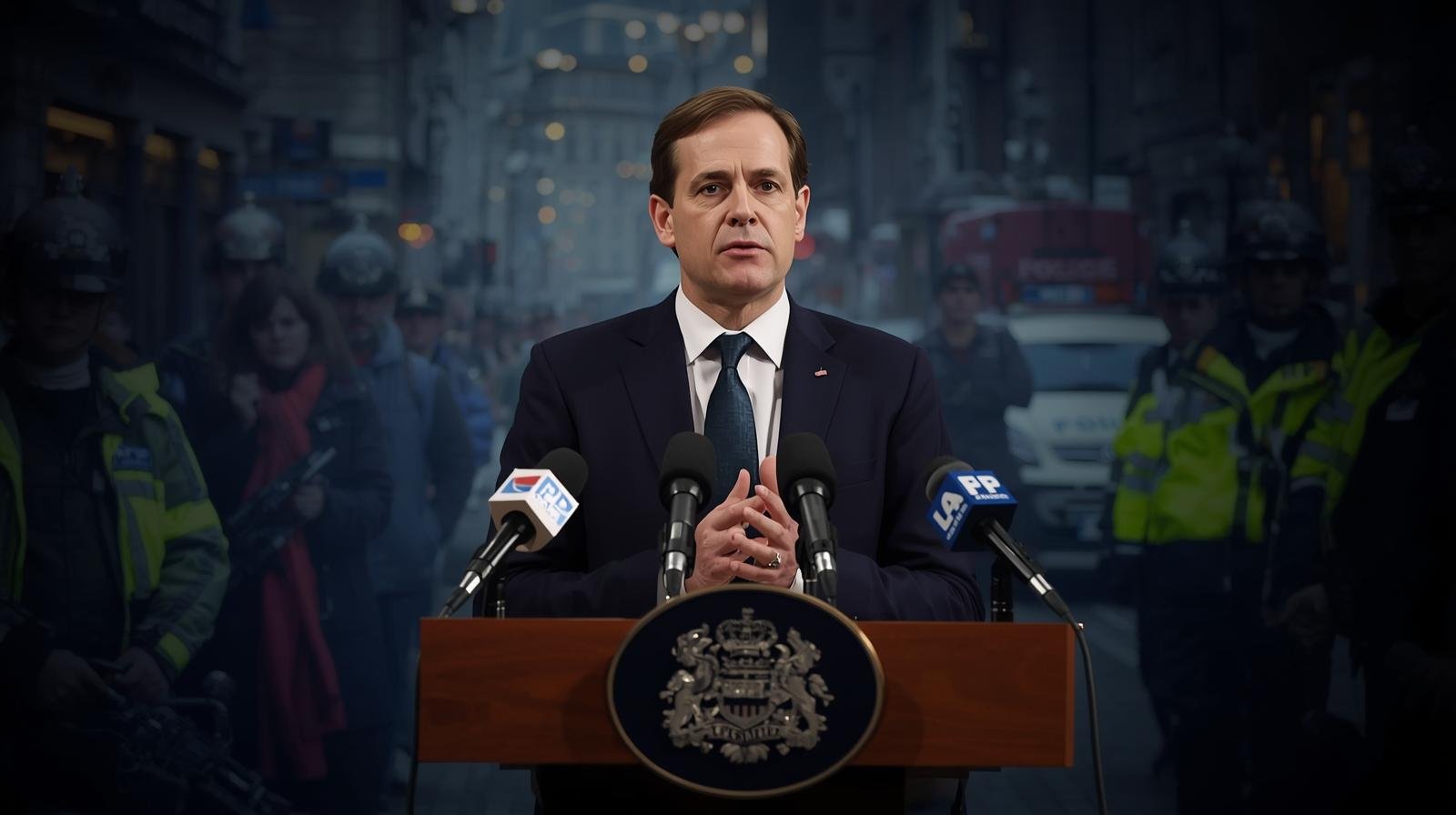
“How budget week turned into a nightmare for the Conservatives”in this article we discuss about it in detail.Budget Week 2025 was supposed to be a big deal for Canadian politics. The ruling Liberals were going to show off a budget plan that focused on making things affordable, helping the middle class, and growth. Pierre Poilievre and the Conservatives planned to use the moment to attack government spending, point out rising inflation, and show that they were the best choice for economic stability.
Instead, Budget Week was a public relations disaster for the Conservatives. The party had a hard time controlling the story because of things like miscommunication, internal divisions, and public backlash over controversial comments. This article talks about how one of the most important weeks in Canadian politics went wrong for the opposition.
1. High Hopes Going into budget week turned into a nightmare for the Conservatives
As Budget Week approached, the Conservative Party was very popular. Polls showed that Canadians were getting more and more angry about the high cost of living, the high cost of housing, and the government’s debt. Many voters liked what the Conservatives said about “common-sense leadership” and being careful with money.
But having high hopes can be dangerous. Political strategists in the party planned a coordinated media campaign to attack every part of the Liberal budget. But there was disagreement behind the scenes about tone and tactics. Some members wanted a more aggressive approach, while others wanted a more constructive, policy-based response. That lack of unity within would soon show.
2. Mistakes in messaging and gaps in communication
The first sign that things were going wrong was that people were sending mixed messages. The Conservatives’ official response to the federal budget was about how the government was spending too much money, but some well-known MPs said different things on social media. Some people said the government should have cut more programs, while others said that cutting back on spending during a time of high costs was a bad idea.
These contradictions were quickly noticed by journalists. The news moved from the budget’s contents to the chaos among the Conservatives. This was an unusual mistake for a party known for sticking to its message. It cost them valuable media momentum.
3. Economic Realities and Policy Pressure
Another thing that made Budget Week bad was the difficulty of coming up with a realistic alternative. The Conservatives were very against the Liberals’ spending plan, but they had a hard time coming up with clear, cost alternatives.
People in Canada who watched the debates wanted to know what the other party would do differently when it came to taxes, housing, and affordability. But instead of giving specific numbers, most of the response was about how “wasteful spending” was bad without offering clear plans for how to fix it. Economists and media experts said that this strategy hurt the party’s credibility as a government-in-waiting.
4. Tensions within the group come to light
People in the party who wanted to stay anonymous said that things were getting tense between the communications team and senior MPs. Some members wanted a stronger populist message aimed at city voters who are upset about rising prices, while others wanted a more practical, moderate tone to appeal to suburban voters.
When leaked internal memos showed that there was disagreement over how to answer questions about carbon pricing and federal transfers, this split became clearer. The Liberals took advantage of the confusion by saying that the Conservatives were split and not ready to lead. The internal split, which had been private, was now public.
5. Backlash from the media and the public
As the week went on, a lot of news outlets talked about how the Conservatives were handling issues of affordability, especially their criticism of new tax credits and energy relief programs. Some people said that the party was “out of touch” with families who were having a hard time.
Tracking public opinion over the course of the week showed that support for the Conservatives had dropped a little, while support for the Liberals had leveled off after months of decline. The online conversation also turned against the Conservatives, with hashtags on X (formerly Twitter) questioning their economic credibility.
6. The Liberal Counterattack
The ruling Liberals took advantage of the Conservatives’ mistakes by working together with the media. Prime Minister Justin Trudeau and Finance Minister Chrystia Freeland said that the Conservatives’ response was “all criticism, no solutions.” They pointed out certain things in the budget, like money for housing and grocery rebates, as proof that the government was focused on making things more affordable.
This story worked. Most of the news stories by the end of the week weren’t about what was in the budget but about how the Conservatives didn’t explain their position. This was a bad image for an opposition party that was counting on economic messaging to win the next election.
7. What the Conservative Party learned
The Conservative Party woke up during Budget Week 2025. That week showed that the party still has a lot of power, but it also showed that its strategy, communication, and policy depth are weak.
To get the story back in their hands, the Conservatives will need to:
- Make sure that MPs and spokespeople work together to send the same message.
- Give clear, detailed economic options.
- Criticism should be balanced with helpful solutions.
- Focus on reaching out to middle-class voters across party lines.
In the next few months, we’ll see if the party can get things going again before the next federal election.
8. Bigger Effects on Politics
In the bigger picture of Canadian politics, Budget Week showed how easily people can lose faith in their leaders. Canadians still care most about how the economy is run, but they also want leaders to be clear and united.
The Conservatives’ mistakes gave the Liberals a short break, but the bigger economic problems—affordability, deficits, and interest rates—are still very real. The way both parties act in the next few months will set the course for Canadian politics until 2026.
Frequently Asked Questions about How budget week turned into a nightmare for the Conservatives
1. What went on in Canada during Budget Week 2025?
The federal government gave its budget for 2025 during Budget Week. The budget was focused on making things affordable and growing the economy. But the Conservatives had trouble communicating with each other and getting their message out to the public, which made for a tough week politically.
2. Why did the Conservatives think Budget Week was a nightmare?
Because their mixed messages, policy gaps, and internal conflicts made their response to the budget less important, the Liberals were able to take back control of the political story.
3. Who will be in charge of the Conservative Party of Canada in 2025?
Pierre Poilievre is in charge of the Conservative Party. He talks about things like making things affordable, being responsible with money, and making sure the government is accountable.
4. What effect did Budget Week have on Conservative poll numbers?
After Budget Week, early polls showed a small drop in support for the Conservatives, but it’s not clear what the long-term effects will be.
5. What can the Conservatives take away from this?
To stay credible as the main opposition, they need to work together better, have clearer policy options, and be more in touch with the economic problems that Canadians face every day.
In conclusion
The Conservative Party learned how to handle a crisis instead of taking advantage of a week of political opportunity. Budget Week 2025 showed that even the biggest lead in the polls can disappear when communication breaks down and strategy goes wrong.
The Conservatives’ next step is to turn this setback into a chance to learn. They need to improve their message, get their act together, and reach out to Canadians who are still waiting for real solutions.