
How Do I Sell a Financed Car


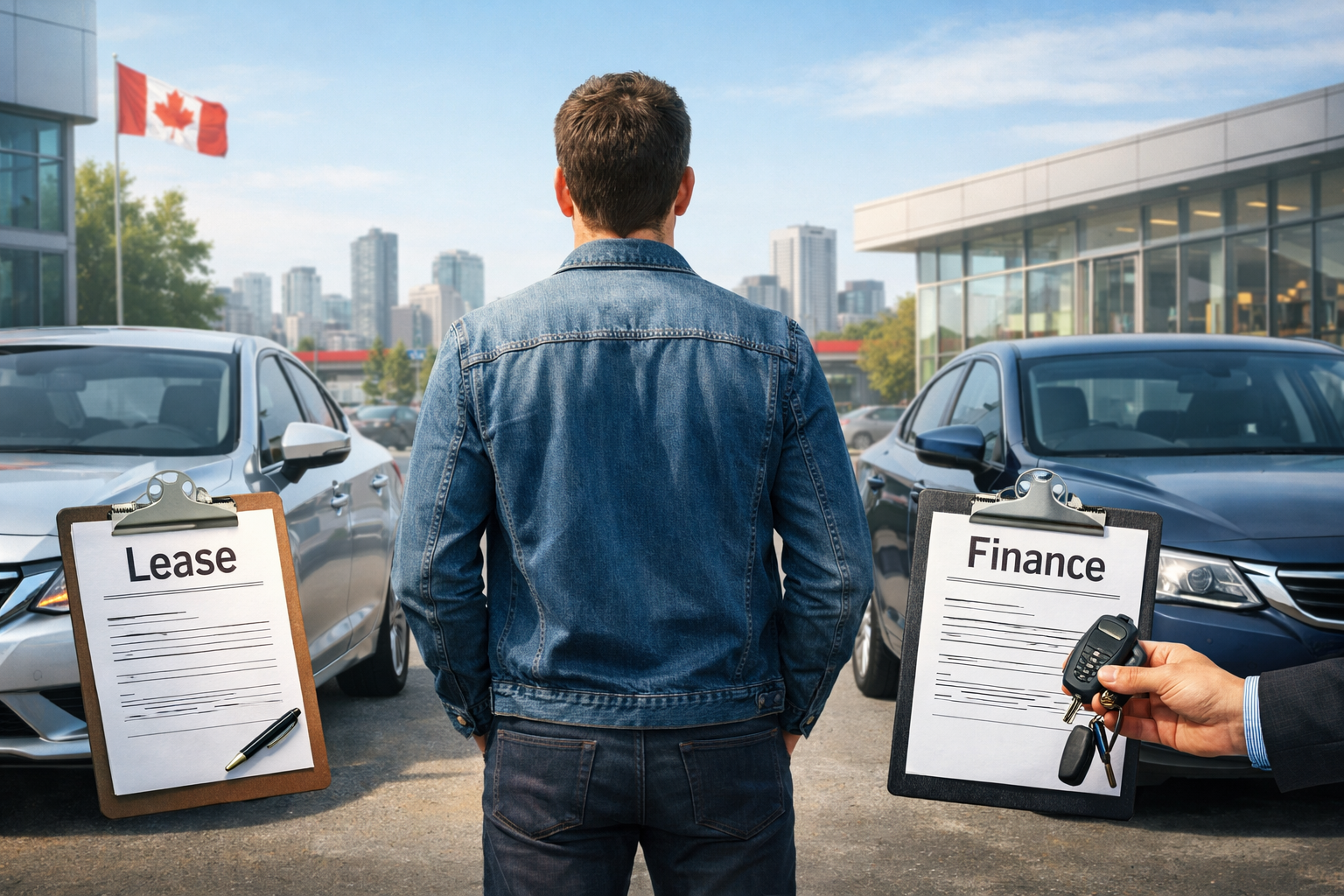
It can be hard to sell a car that is still under finance, especially if you don’t know what legal and financial steps you need to take. A lot of Canadians want to know, “How do I sell a car that I still owe money on?” The good news is that you can sell a car that you still owe money on. You just need to know how to do it, talk to your lender, and make sure you fill out all the paperwork correctly. This guide has a full step-by-step plan, expert advice, and answers to frequently asked questions to help you sell your financed car safely and for a good price.
What does it mean to have a financed car?
A financed car is one that you buy with a loan from a bank, credit union, or dealership. The lender still owns the car or has a lien on it until the loan is fully paid off. This means that you can’t legally give the car to someone else until you pay off the loan.
Cars that are financed are common in Canada because a lot of buyers would rather pay for them over time than all at once. Financing makes it easier to buy a car, but it also makes it harder to sell when the time comes. Before you ask, “How do I sell a financed car?” you need to understand these complicated issues.
Know how much you owe on your loan and how much you need to pay it off.
The first thing you need to do to sell a car that you have financed is figure out how much you owe on the loan. This is the total amount you need to pay off your loan in full, which includes:
- Remaining balance on the principal
- Interest that has built up
- Any fees for paying off early
Call your lender to get an official quote for the payoff amount. This number is very important because it tells you if your car is worth more or less than what you owe. You can sell your car and make money if its market value is higher than the loan balance. You have to pay the difference out of your own pocket if it is lower.
For example, if your car’s payoff amount is $18,000 and its market value is $20,000, you have $2,000 in equity. You will need to pay $2,000 to settle the loan before you can finish the sale if the market value is $16,000.
Find out how much your car is worth on the market
Finding out how much your car is worth on the market right now will help you set a fair price. You can find out how much your car is worth by using these tools:
- Canadian Black Book: professional appraisals based on the year, make, model, mileage, and condition of the car
- AutoTrader.ca – Look at listings of similar cars in your area and compare them
- Kijiji Autos: Look at local sales to see how prices are changing.
- Knowing the fair market value of your car can help you decide whether it’s better to sell it privately or trade it in at a dealership. Knowing how much your car is worth also helps you get ready to talk to potential buyers.
Choose how you want to sell: private sale or dealer trade-in
After you ask yourself, “How do I sell a financed car?” you need to decide how to sell it. There are pros and cons to both private sales and trade-ins at a dealership.
Sale to a private person
Private sales usually have a higher resale value, but they take more work. The steps are:
Tell the buyer that the car is being paid for.
Set up a safe way to pay, usually through the lender
Pay off the loan to get a clear title
Give the buyer ownership
Pros: More control over the sale, higher sale price
Cons: It takes longer and needs more planning and paperwork.
Trade-In at the Dealer
It’s easy and quick to trade in your financed car at a dealership. Dealers take care of the payoff, lien release, and title transfer.
Pros: Fast sale, no paperwork problems
Drawbacks: Usually, the sale price is lower than in a private sale.
Your choice depends on whether you want to make the most money or make things easier for yourself.
Get Your Car Ready to Sell
Getting ready the right way can make a big difference in getting buyers and raising the price of your car. Focus on:
Exterior Detailing: To make your car look better from the street, wash, wax, and polish it.
Cleaning the inside: vacuum the carpets, wipe down the surfaces, and get rid of the clutter
Minor Repairs: Fix scratches, dents, or light bulbs that have burned out.
Maintenance Records: Collect receipts and service records to prove to buyers that the car was well cared for.
A car that looks good shows that it is reliable and makes buyers feel more confident.
Set up the loan payment
Paying off your loan is an important part of selling a car that you bought with money. If you sell privately or trade in at a dealership, the process is different.
Paying off a private sale loan
The buyer pays the lender directly or through an escrow service.
If the sale price is less than the loan balance, you have to pay the difference.
The lender gives back the title once the loan is paid off.
Pay Off Your Dealer Trade-In Loan
The dealer pays off your loan directly.
The rest of the equity goes toward your new car or is given to you in cash.
The dealer takes care of all the paperwork for releasing the lien and getting the title.
A legal and smooth sale depends on making sure the loan is paid off in full.
Fill out the paperwork for the sale
In Canada, you need certain papers to sell a financed car legally:
Bill of Sale: Has information about the car, the sale price, and the buyer and seller.
Transfer of Ownership Form: Your provincial vehicle registry needs this.
Confirmation of Loan Payoff: This shows that the lender has received full payment.
Always keep copies of all your documents for your own records. Make sure the buyer registers the car in their name right away so they don’t have to pay for it later.
Think about the legal and tax needs
When you sell a financed car, you may have to think about taxes and the law:
HST/GST: May apply based on the province and the type of sale
Lien Release: You need to get this from the lender before you can change ownership.
Insurance: After the sale, you can cancel or move your insurance policy.
Call your provincial motor vehicle office or a lawyer to make sure you are following all the rules and stay out of trouble.
Get the Most Money for Your Sale
To get the best deal on your financed car:
Price Competitively: Look at other cars like yours in your area
Put the word out: Use sites like AutoTrader, Kijiji, and social media
Be Honest: Tell the buyer about the car’s loan status and history.
Give Proof: Include information about maintenance and paying off the loan.
Be smart when you negotiate: Know the lowest price you’re willing to pay and stick to it.
You can sell your financed car quickly and for a good price if you show it off well and charge a fair price.
Common Problems When Selling a Car That Is Financed
There are some unique problems that come with selling a financed car:
Negative Equity: If you owe more than what the car is worth, you have to pay the difference.
Loan Restrictions: Some lenders won’t let you sell until you’ve paid off the loan in full
Paperwork Delays: It may take a while to get lien releases and title transfers
Buyers are hesitant: Some buyers are careful when buying cars that are financed.
You can deal with these problems better if you plan ahead and know how the process works.
Things to think about in each province of Canada
Every province in Canada has its own rules about selling cars:
Ontario: Needs a vehicle permit and a Safety Standards Certificate
British Columbia: ICBC does lien checks; make sure the lien is paid off
Alberta: You must send Alberta Registries your registration and lien release papers.
Quebec: Must show proof of a valid inspection and make sure the lien is lifted.
To make sure your sale goes smoothly and legally, find out what your province needs.
Questions that are often asked (FAQs)
1. Is it possible to sell a car that I owe money on without paying off the loan?
No. The lender keeps the title until the loan is paid off in full. You can’t sell something without paying off the loan.
2. What if my car is worth less than the loan?
You have to pay the lender the difference. A dealer trade-in might also help with negative equity.
3. How long does it take to sell a car that is paid for?
A private sale could take anywhere from one to three weeks. You can trade in your car at a dealership in one day.
4. Can the buyer pay the loan directly?
Yes. The buyer can pay the lender directly, and the seller gets back any money that is left over.
5. Is it better to trade than to sell privately?
Private sales tend to get better prices. Trade-ins are quicker and easier, but they don’t always make as much money.
6. Do I need to hire a lawyer?
Not always, but getting advice from one can help you follow the rules for taxes and the law.
7. Can I sell if I didn’t make my loan payments?
Yes, but the lender might want the loan to be paid off or current before they agree to the sale.
Tips from Experts for a Smooth Sale
Talk Clearly: Tell buyers about the loan and give them the paperwork.
Put all of your paperwork in order, including loan payoff, maintenance records, and registration information.
Advertise Smartly: Talk about the good things about your car, like its mileage and condition.
Timing is important: Selling during times of high demand can get you more money.
Know your lowest acceptable price and don’t underprice when you negotiate.
Following these tips will make sure that the sale goes smoothly, safely, and with a profit.
In conclusion
With good planning, clear communication, and attention to legal and financial requirements, selling a financed car in Canada is easy. You can sell your car quickly and for a good price if you know your loan, figure out how much your car is worth, pick the best way to sell it, and take care of the paperwork.
The first step to selling a financed car is to ask, “How do I sell a financed car?” You can make your financed car transaction go smoothly and be worth your time by getting ready, being open, and using smart marketing.