

How Long Can a Cat Go Without Eating

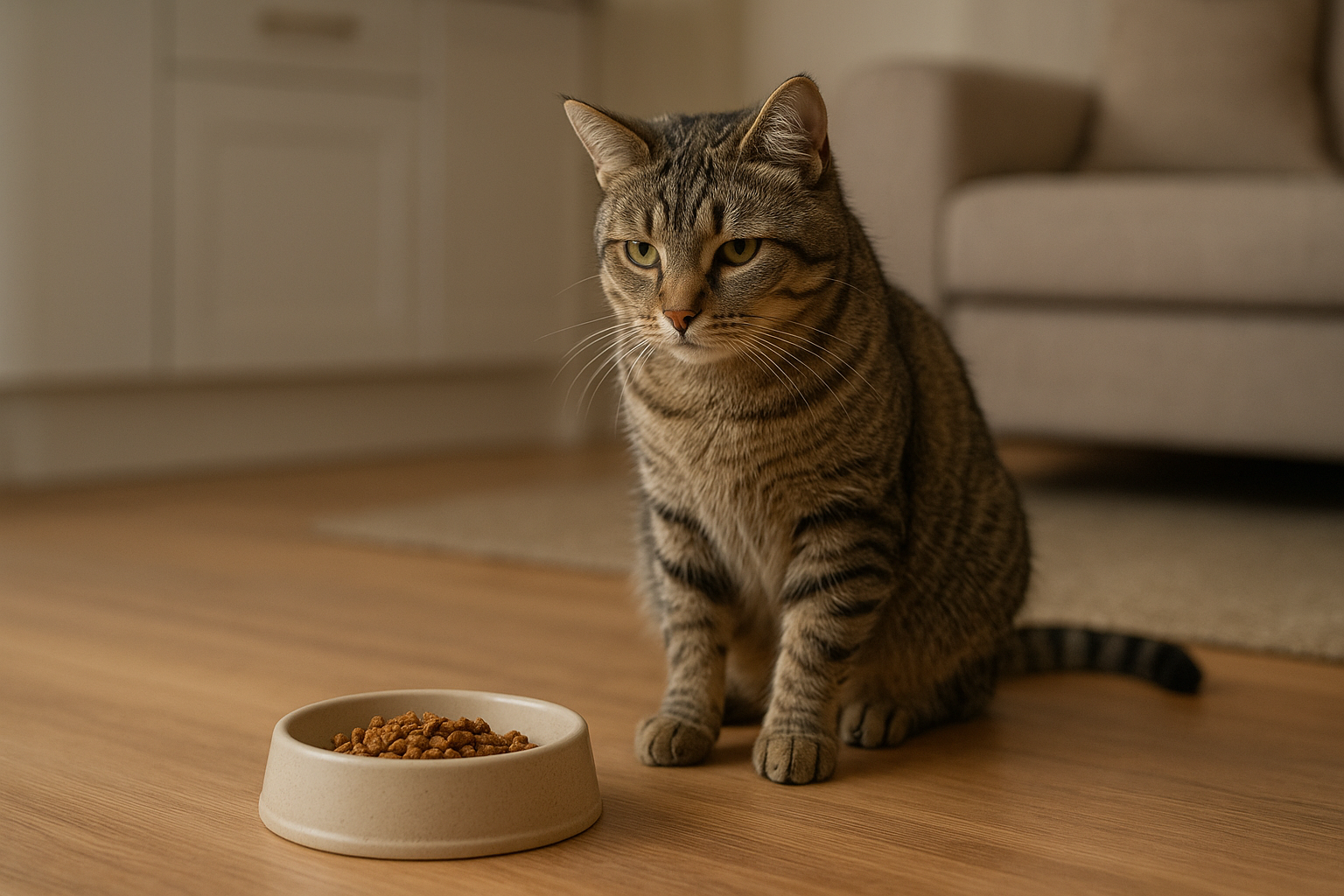
If you have a cat, one of the scariest things that can happen is when it won’t eat. A lot of people who own cats ask this question: How long can a cat go without food? Cats are known for being independent, but it’s very dangerous for them to go without food for too long. Even short periods of fasting can cause conditions that could kill you.
In this full guide, we’ll talk about how long a cat can go without eating, why they might stop eating, the dangers they face when they don’t eat, and what you should do right away to keep your cat safe.
How long can a cat go without food?
A healthy cat can go without food for 24 to 48 hours before it starts to have serious health problems. But this “time window” isn’t safe. Cats are very sensitive to not having food, and their bodies aren’t made to go without food for long periods of time.
This is the scary truth:
A cat’s liver starts breaking down fat for energy after only 24 hours without food.
After 48 hours, things can start to go very wrong.
Three days (72 hours) later, a cat is at risk of life-threatening conditions like hepatic lipidosis.
This is why vets say you should never wait a few days to help your cat when it stops eating. It’s important to know how long a cat can go without food, but it’s even more important to act quickly.
Why Cats Can’t Go Long Without Eating
Cats have a different metabolism than dogs and people. They need a steady supply of protein and fats, and their bodies don’t switch to using stored fat for energy very well.
When a cat stops eating:
- The body sends fat to the liver, which turns it into energy that can be used.
- The liver gets too much work.
- Fat accumulates, resulting in hepatic lipidosis (fatty liver disease).
If this condition isn’t treated right away, it could be deadly. This is the main reason why pet owners need to know how long a cat can go without eating.
What Should You Do If Your Cat Is Drinking Water but Not Eating?
Some people think it’s safe as long as the cat drinks water. But this is not true.
A cat may live a little longer—maybe 3–5 days—with water but no food, but its internal organs may already be damaged. Drinking water slows the progression of fatty liver disease, but it does NOT stop it from starting.
So, even though people sometimes give long answers to the question “How long can a cat go without eating?” the safest answer is still:
You should take action within 24 hours at the most.
Why Cats Stop Eating Most of the Time
Knowing what makes you lose your appetite can help you act faster. These are the most common reasons why a cat might stop eating:
1. Health Problems or Illness
Cats are good at hiding when they’re sick, but you might notice that they don’t want to eat. Conditions include:
- Kidney disease
- Infections in the mouth
- Problems with the digestive system
- Pancreatitis
- Infections of the lungs
- Liver illness
- Parasites
Even small illnesses can have a big effect on appetite.
2. Pain in the teeth
Cats that have:
- Tooth decay
- Periodontal disease
- Broken teeth
- Ulcers in the mouth
- may not eat because chewing hurts.
3. Stress and Changes in the Environment
Cats are creatures of habit. Things that can cause stress are:
- Moving to a different house
- New animals or people
- Loud noises that come out of nowhere
- Change in the way you feed them
- Brand of new food or litter
- Anorexia caused by stress is very common.
4. Food choices or spoiled food
Cats can be very picky about what they eat. They might not eat if:
- Changes to the formula
- The smell of food is different.
- The food is old or spoiled.
- The temperature isn’t nice.
5. Injury or pain
A cat may stop eating if it is in pain from arthritis, an injury, surgery, or problems inside its body.
It’s important to know why, but the most important question is still: how long can a cat go without food? Not long enough to not pay attention to the issue.
Health Risks When Your Cat Stops Eating
Even a short time of not wanting to eat can be very dangerous, such as:
Hepatic Lipidosis, also known as fatty liver disease
- When a cat stops eating, this life-threatening condition gets worse very quickly. Signs include:
- Yellowing of the eyes or gums (jaundice)
- Lethargy
- Drooling
- Throwing up
- Losing weight
- You need to see a vet right away.
- Not enough water
A cat may not drink enough water even if it is drinking. Dehydration makes organs work worse.
Muscle Loss and Weakness
- Without food, cats lose muscle quickly. Energy levels and mobility drop within 48 hours.
- Weakening of the Immune System
- A cat is more likely to get sick if it doesn’t get enough nutrients.
If you’re wondering how long a cat can go without eating before it gets really sick, the answer is: not long. The clock starts ticking quickly.
What to Do if Your Cat Won’t Eat
You should act quickly if your cat won’t eat. Here’s how to do it step by step:
1. Try to warm up the food
Cats use their sense of smell a lot. Warming up wet food makes it smell better and might make you want to eat it.
2. Give Different Textures or Flavors
Give it a shot:
- Food that is wet instead of dry
- Food mixed with broth
- Tuna water (not oil)
- A new brand or taste
Changing diets too often over the long term can be bad for you, but variety can help in emergencies.
3. Lower Stress
Make the space calm. Give your pet a quiet place to eat where there aren’t any other pets or noise.
4. Look for clear signs of illness
Check for:
- Sneezing or having a stuffy nose
- Drooling
- Gums that are swollen
- Throwing up
- Diarrhea
- Lethargy
If you see it, call the vet right away.
5. Take Appetite Stimulants (as directed by your vet)
If it’s safe, your vet might suggest:
Mirtazapine
Cyproheptadine
Entyce (to make you hungry)
Never take medicine without talking to a doctor first.
6. Get veterinary care within 24 hours
If your cat hasn’t eaten for more than 24 hours, you should take it to a veterinarian immediately. This is especially important if your cat is overweight, elderly, or already dealing with an illness. These cats are at a much higher risk of developing hepatic lipidosis, a dangerous liver condition that progresses quickly—particularly in bigger cats. Early evaluation and treatment are essential to prevent complications and protect your cat’s health.
How long can a kitten go without food?
- Kittens are much more likely to get hurt than adult cats.
- Newborns can only go 4 to 6 hours at a time.
- Need to be fed every few hours for the first six weeks.
- Should not go more than 12 hours without eating if they are less than 6 months old.
- Kittens quickly become hypoglycemic. It’s even harder for young cats to go without food for a long time.
Should You Force-Feed Your Cat?
Unless a vet tells you to, force-feeding at home can be dangerous. You could choke or get aspiration pneumonia. Syringe feeding is only okay if:
Your vet says it’s okay
Your cat is ready
The food is safe and turns into a liquid.
Always choose professional care when in doubt.
What Vets Do When a Cat Stops Eating
Some things that may be done at the vet are:
- Things that make you hungry
- Fluids to rehydrate
- Tests of the blood
- Taking care of the illness that is causing it
- Feeding tubes if needed
Feeding tubes are safe and can save lives, especially in cases of hepatic lipidosis.
How to Keep Your Cat From Not Eating
It’s easier to stop something than to treat it. These are some things you should do:
- Stick to regular feeding times.
- Keep your stress levels low.
- Make sure to take your pet to the vet on a regular basis.
- Give them food that is healthy and of good quality.
- Check your cat’s appetite every day.
Knowing how long a cat can go without food can make you want to act quickly to avoid problems.
FAQs:Normally People Asked Questions
How long can a cat go without eating?
About 24–48 hours, but it becomes dangerous after 24 hours.
Why is not eating risky for cats?
It can cause hepatic lipidosis, a serious liver condition.
When should I see a vet?
If your cat hasn’t eaten for more than 24 hours.
What signs show my cat is sick?
Vomiting, lethargy, hiding, diarrhea, or unusual behavior.
How can I get my cat to eat?
Try warming food, changing flavors, or adding tuna water—see a vet if it still won’t eat.
Last Thoughts
If you don’t feed your cat right away, they can get very sick, like fatty liver disease. If your cat won’t eat for even one day, take it seriously, find out why, and call your vet right away.
Your quick action might save your cat’s life.