
Shopping Mall Closures in Canada

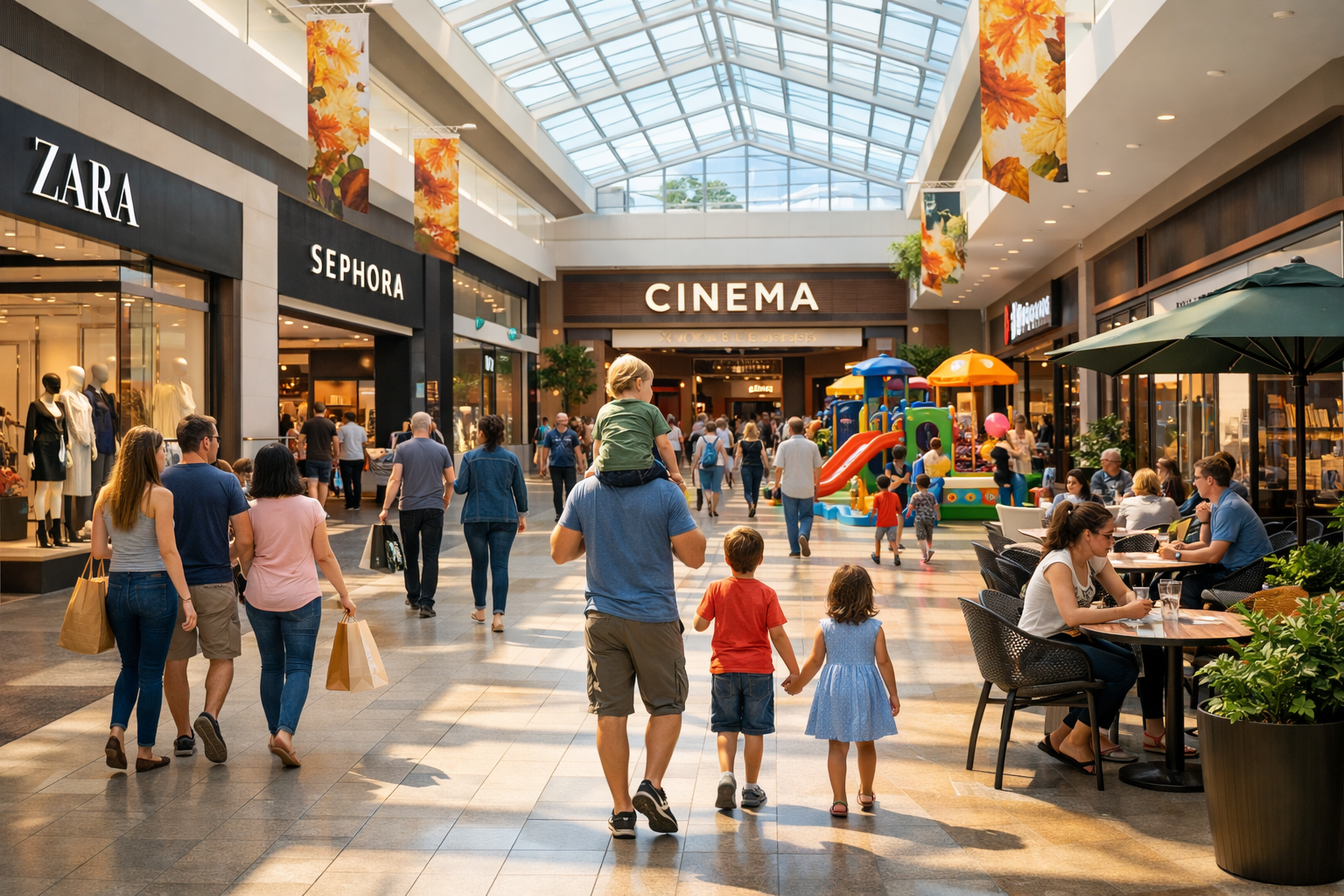
For a long time, shopping malls have been an important part of Canadian life. Not only could you shop there, but they also had places to hang out and have fun. Families went to malls to spend time together, friends met there to hang out, and a lot of people depended on malls for their daily needs. But in the past few years, more and more shopping malls in Canada have been closing. These closures are changing the way stores work and having an impact on people, communities, and businesses. Anyone who works in business, city planning, or community development needs to know why these stores are closing, what effect they will have, and what the future of retail will be.
The Main Reasons Why Malls Close
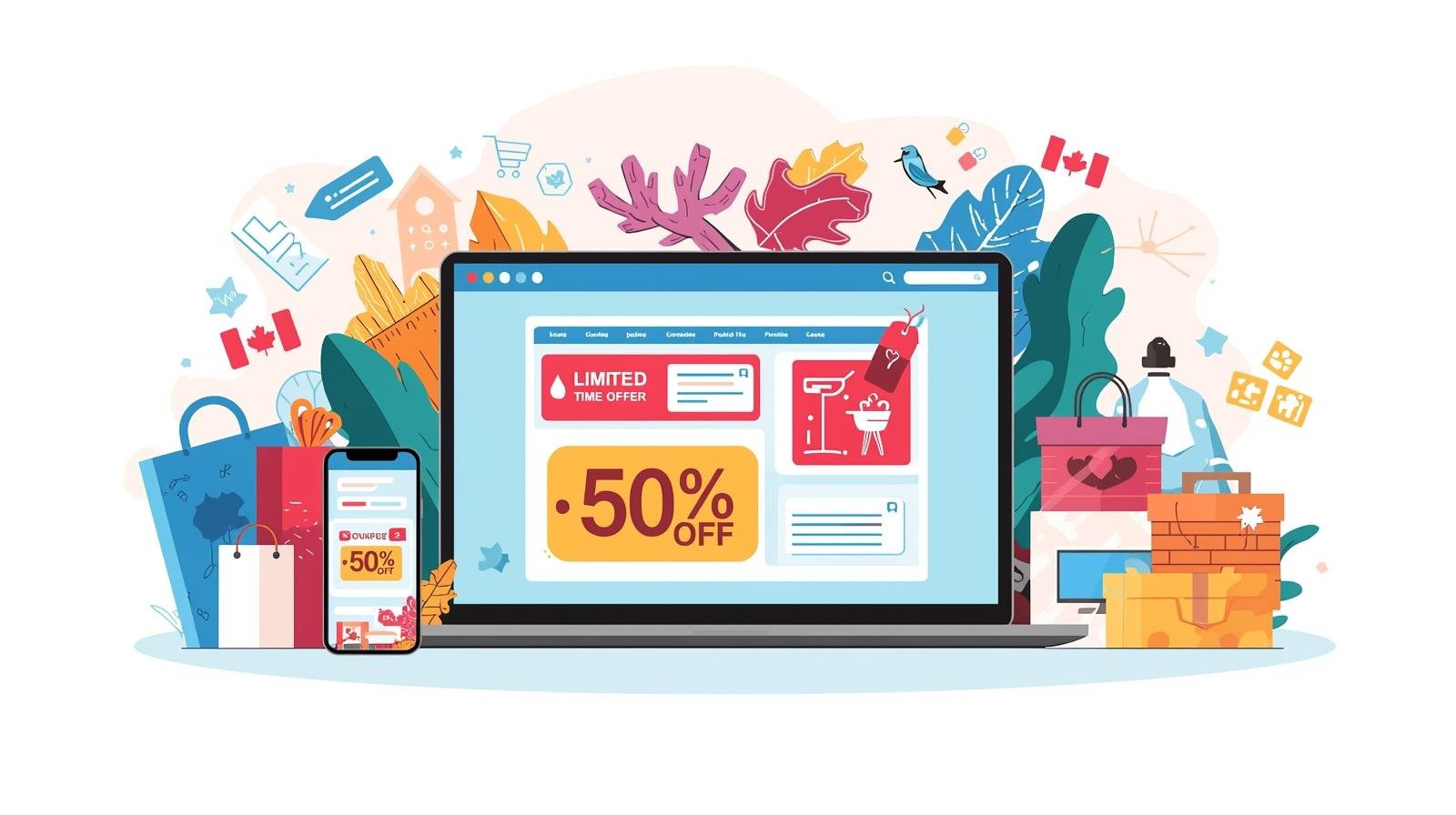
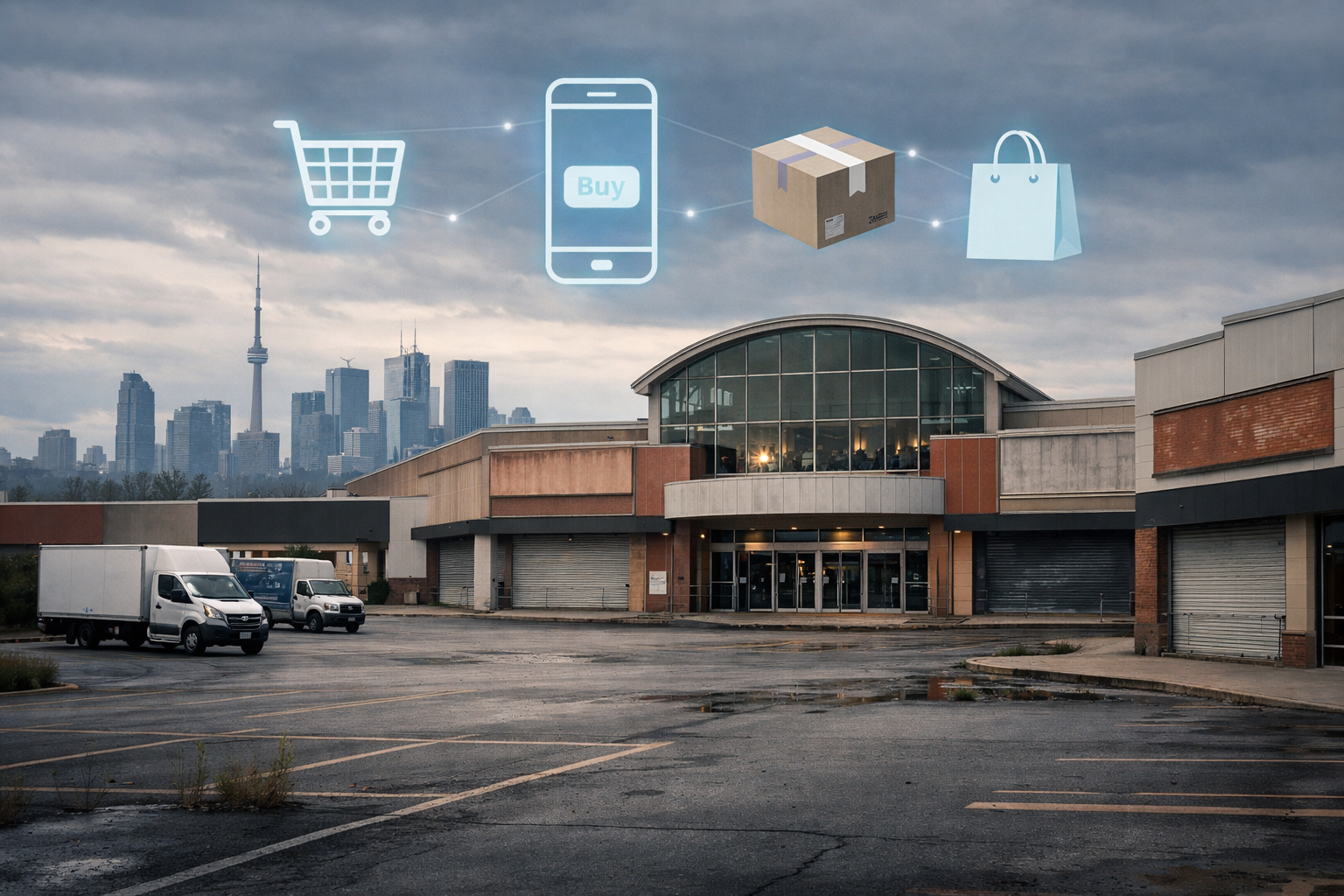
There are a number of reasons why Canadian shopping malls are shutting down. The rise of online shopping is one of the main reasons. People like to buy things online now because it’s faster, easier, and sometimes cheaper. People can shop from home and have things delivered to their doors thanks to websites like Amazon, Walmart, and Shopify. Because people are shopping online more, physical malls are getting less foot traffic, which makes it hard for stores to make enough money to stay open.
Another big reason malls close is that they cost a lot of money to run. Running a mall is expensive because of rent, utilities, maintenance, and employee pay. When fewer people go to the mall, many stores, especially small and medium-sized ones, can’t afford these costs. Department stores and other big stores that anchor malls have also had trouble with money. When these big stores close, smaller stores that depend on them lose customers, which often means that the whole mall has to close.
Impact of the COVID-19 Pandemic on Shopping Mall Closures
The COVID-19 pandemic also sped up the closing of malls by a lot. People had to stay home because of lockdowns, health concerns, and rules about social distancing. A lot of stores lost sales for months, and some never opened again. Even as restrictions were lifted, many shoppers still preferred to shop online, which made malls less important.
Another reason is that there are too many malls. Canada has one of the highest shopping malls per person in the world. There are too many malls and not enough customers, so competition is tough. Older malls that can’t get popular stores or offer a modern shopping experience often have to close.
Lastly, mall closures have been caused by changes in what people want. People now like having experiences more than shopping. They want stores that have entertainment, dining, and social areas. Traditional malls that only sell things are having a hard time meeting these needs, which is making them less popular.
The Economic Effects of Shopping Mall Closures
The economy is directly affected when a shopping mall closes. Store workers, cleaners, security staff, and managers are just a few of the thousands of people who work at malls. When a mall closes, these workers lose their jobs, which has an effect on their families and the communities where they live. People who lose their jobs may also spend less money in the area, which hurts businesses nearby.
Cities and towns also get money from malls through taxes. Taxes on property, sales, and businesses that come from mall operations help pay for things like schools, hospitals, and roads. When a mall closes, the local government loses money, which can hurt the growth and services of the community.
When a mall closes, the value of nearby properties can also go down. Empty parking lots and buildings make people feel like they are being ignored. That can make new businesses less likely to invest in the area, which will hurt economic growth even more.
The effects of shopping mall closures on society
Shopping malls have been important places for people to meet. People meet there, celebrate special occasions, and relax. When malls close, these places go away for communities. Teenagers lose safe places to hang out with friends, families lose easy places to go out, and cultural events lose places to hold them.
There can also be social problems with malls that have been left empty. Buildings that are empty may be vandalised or used for illegal activities. Not only does the community lose a shopping centre, but it also loses part of who it is. A lot of people think of malls as important places and cultural centres. Their closing can make people feel less like they belong.
Trends that are causing shopping malls to close
There are a lot of trends in retail and city development that have sped up the closing of malls. Experiential retail is one of these trends. People now like shopping experiences that are more than just buying things. They want to have fun, eat out, shop at stores that let them interact with the items, and go to events. This demand can’t be met by traditional malls that only have stores.
Another trend is building places that can be used for more than one thing. These days, a lot of developers like projects that have shopping, offices, homes, and entertainment all in one place. More people come to mixed-use spaces, and they can make money in many ways. Traditional malls, which mostly have stores, aren’t as good at adapting to these new trends.
Rise of Online Shopping and Its Impact on Malls
The retail landscape is also changing because more people are shopping online. A lot of stores focus on online shopping instead of brick-and-mortar stores. With e-commerce, stores can keep their costs down and reach customers all over the country. Because of this, fewer people go to malls, which leads to their closing.
Last but not least, people’s awareness of the environment and sustainability affects how they shop. A lot of people now choose to shop at small, eco-friendly stores instead of big malls. This change makes fewer people want to go to traditional malls, which are often home to international chains with big carbon footprints.
Ways to Deal with Mall Closures
Communities and businesses are looking into ways to deal with mall closures. One way to do this is to redevelop. Many malls that are no longer open are being turned into apartments, offices, or community centres. This redevelopment not only keeps the value of the property, but it also helps the community.
Retailers are also changing to hybrid models. Some stores let you shop online and pick up your items in person. That allows customers to enjoy the convenience of shopping online while still going to stores. Malls that use these mixed strategies can get more people to come.
Local governments are very important when it comes to closing malls. They can help redevelop properties, give businesses reasons to move into abandoned malls, and support small and local businesses. For mall closures to become opportunities, governments, developers, and communities need to work together.
Some of Canada’s most famous malls have closed
In the past few years, several well-known malls in Canada have closed or gotten smaller. For instance, some older malls in Toronto and Vancouver have had problems because fewer people are shopping there, and they are competing with online stores. Even big malls with well-known anchor stores have had a hard time keeping sales up. These cases show that mall closures can happen to any store that doesn’t keep up with the times, not just small or old ones.
The effects are even worse for smaller towns. In a small town, a mall might be the main place to work and shop. When it closes, people in the city may have fewer places to shop, longer travel times, and less stable economies. These closures make it clear how important it is to plan and redevelop.
What will happen to shopping malls in Canada in the future?
In Canada, shopping malls will change in the future instead of going away completely. It’s likely that malls will change from being places to shop to places to live and work. Residential apartments, office buildings, entertainment facilities, and community services are all examples of what can be included in redevelopment projects.
Stores will also need to come up with new ideas. People will be more likely to shop at stores that offer both in-person and online services. Pop-up events, interactive displays, and entertainment options are some of the things that will make malls relevant to today’s shoppers.
Models that combine different types of services, like click-and-collect, will keep getting bigger. People can order things online and pick them up at malls, which is both convenient and allows for physical interaction. This method can help keep foot traffic up and help mall tenants.
How People Are Changing
People are changing the way they shop because malls are closing. A lot of Canadians now prefer to shop online. People also like to go to local markets, boutique shops, and speciality stores instead of big malls.
People are starting to value experiences more than things. They want to have fun, eat, meet new people, and be environmentally friendly when they shop. This change will affect the types of stores that do well and how future retail spaces will look.
A lot of shoppers are also being more picky about how they spend their money. They care about quality, value, and making things in a way that is good for the environment. Retailers and malls that know what customers want will be better off in the long run
Problems with redeveloping closed malls
It’s not easy to redevelop a mall that is already closed. Property owners need to follow zoning laws, get financing, and find tenants. It’s also important for the community to accept it, since residents may be worried about traffic, safety, or the environment.
Another problem is making sure the environment stays healthy. Taking down or changing the use of mall buildings can create trash and use a lot of resources. To protect the environment, developers need to use materials and methods that are good for the environment. Successful redevelopment projects find a balance between the needs of the community, the environment and the economic benefits.
Questions that come up often
Why are Canadian malls shutting down?
Shopping malls are closing because more people are shopping online, operating costs are high, foot traffic is low, and people’s tastes are changing. The COVID-19 pandemic and other economic events have also sped up closures.
What do mall closings do to the economies of the areas around them?
When businesses close, people lose their jobs, tax revenues go down, and the economy slows down. Local businesses that depend on mall customers may also have trouble or go out of business.
Can malls that are closed be rebuilt?
Yes. When malls close, they can be turned into homes, offices, places to have fun, or community centres. Redevelopment can help both property owners and the communities where they live.
How do people deal with malls closing?
People are moving away from shopping at big stores and toward online shopping, local stores, and experiential retail. When choosing where to shop, they also look for convenience, quality, and sustainability.
What will happen to malls in the future?
There will be mixed-use developments, experiential retail, hybrid shopping models, and spaces that focus on the community in the future. Malls that come up with new ideas will stay important.
Final Thoughts
There are many reasons why shopping malls in Canada are closing, such as online shopping, the economy, high operating costs, and changing tastes of shoppers. These closings have effects on jobs, communities, and local economies, as well as on culture and society as a whole.
But problems can also be chances. Redevelopment, experiential retail, mixed-use projects, and hybrid shopping models can turn empty malls into useful spaces for communities. In the changing market, retailers who keep up with digital trends, focus on experiences, and know what customers want will do well.
Businesses, policymakers, and shoppers all need to know what causes shopping mall closures, what happens when they do, and what will happen in the future. Communities can turn mall closures into chances by taking proactive steps. This will help Canada have a strong and long-lasting retail future.