

What Does DW Mean in Text Message

Texting has taken the place of long phone calls and emails in today’s digital world. But this quick, short-form communication has brought about a new language that is full of acronyms, abbreviations, and slang. People use short forms like “LOL” and “OMG” to save time and sound more casual.
You may have seen the abbreviation “DW” before. What does DW mean in a text message? Let’s go into more detail about it, using real-life examples and meanings that are easy to understand.
What Does DW Stand for in a Text?
DW usually means “Don’t Worry.”
It’s a short, polite, and casual way to tell someone not to worry about something. It helps you sound less harsh and keep your messages friendly and fun.
For example:
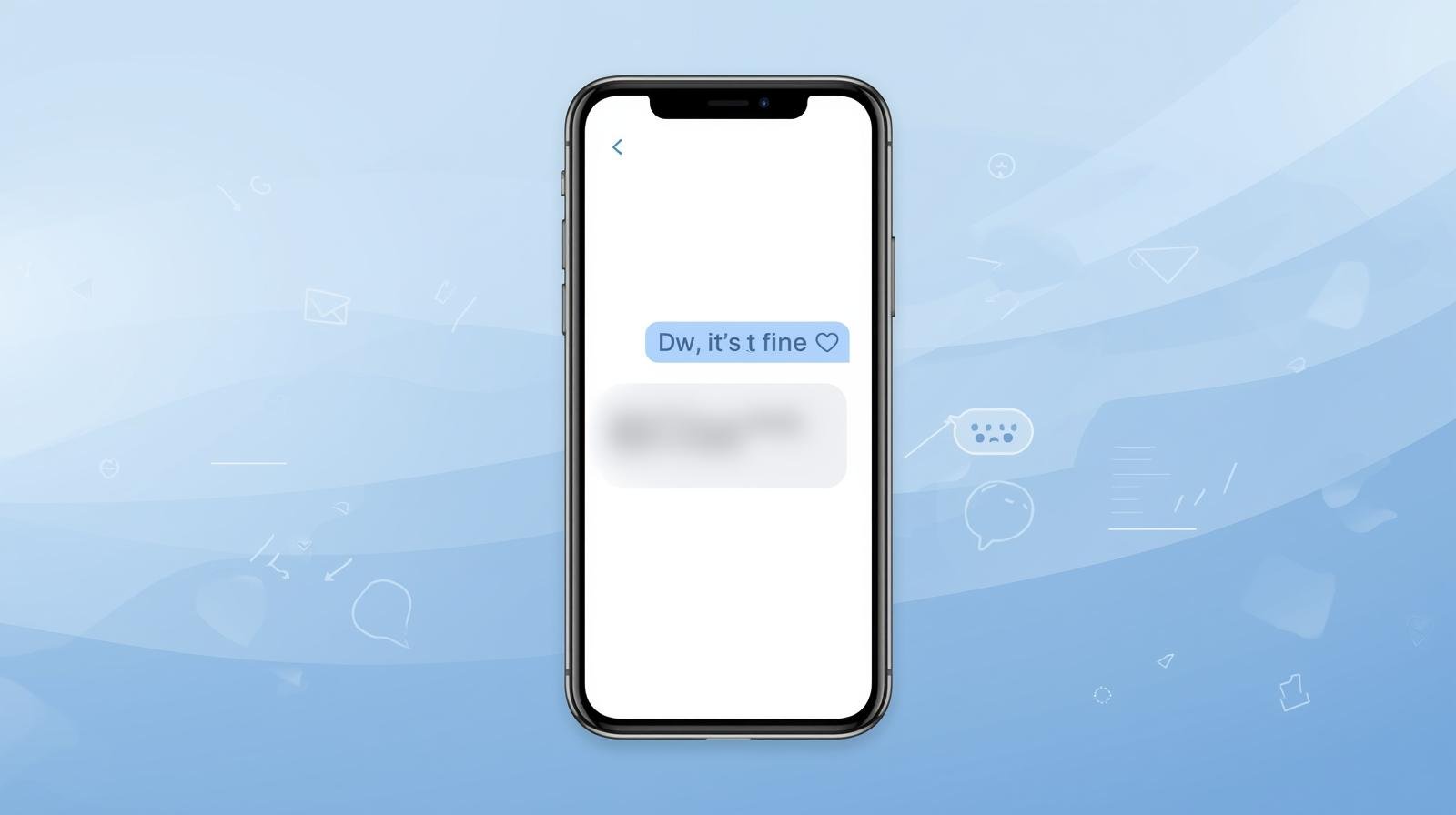
Sorry I couldn’t call you last night, Person A.
Person B: “Don’t worry, it’s fine.”
DW makes the message sound friendly, warm, and casual here, which is great for talking to friends.
Why People Text with DW
People use DW mostly to save time and sound natural. People want to say more with fewer words when they text. DW does that without any trouble.
Let’s talk about why this word is so common now:
1. It saves time
Instead of typing “Don’t worry,” you can just type “DW.” It’s quicker and simpler for talking on the phone.
2. It sounds friendly and casual
“DW” sounds more relaxed and casual than “Don’t worry,” which can sound serious.
3. It keeps the conversation positive
When someone says they’re sorry or feels bad, saying “DW” can help ease the tension. It shows them that you are calm and understanding.
4. It shows how people talk in digital language today.
Texting and social media have their own way of doing things. Using DW makes it easy to fit into that world, where messages are short but full of meaning.
DW in Real Conversations
Here are some real-life examples of how people use “DW” in texts:
- A: “Hey, I think I’ll be there in 10 minutes.”
- B: “DW, I’m not in a hurry.”
- A: “Sorry, I got coffee in your notebook.”
- B: “DW, it’s not a big deal.”
- A: “Thanks for your help yesterday.”
- B: “DW, any time!”
In each of these examples, DW is used in a friendly, light, and comforting way, always keeping a casual tone.
Different Meanings of DW
DW usually means “Don’t Worry,” but it can mean different things depending on the situation.
Here are some:
Dear Wife / Dear Wife: Used in family or romantic situations.
For example, “DW and I went out to dinner last night.”
Doctor Who is the name of a well-known British TV show.
For example, “Are you watching DW tonight?”
Driving While: This phrase is used in legal or law enforcement talks, like “DW under the influence.”
But when people text or chat casually, 99% of the time, DW means “Don’t Worry.”
How to Use DW the Right Way
It’s easy to use DW, but you should know when and where to use it.
When to Use DW:
Someone says they’re sorry for something small.
You want to make someone feel better or calm them down.
You’re talking to friends or family in a casual way.
“DW about the mistake; it’s not a big deal.”
Don’t Use DW When:
Writing in a professional or formal way, like in work emails.
Talking about serious or emotional things (it might sound like you’re not interested).
In short, DW is good for casual conversation but not for formal conversation.
DW on the Internet and in Social Media
- DW isn’t just for texting; you can also use it on social media sites like
- Instagram DMs: “Don’t worry, I’ll tag you later.”
- Snapchat: “Don’t worry, your streak is safe.”
- Comments on TikTok: “DW, I get what you mean!”
- Discord and Reddit: “Don’t worry, it’s an easy fix.”
- It’s a short, snappy, and positive word that everyone knows.
The Psychology of DW: How It Works
One reason DW is so popular is that it makes people feel something.
When someone says “DW,” it instantly makes you feel better and less stressed. It shows that you understand, forgive, and are friendly, which are three emotional tones that make digital conversations feel more real.
In a world where things move quickly online, DW keeps things light and emotionally stable. That’s why it’s such a strong little word.
Things That People Often Do Wrong With DW
People often get DW wrong, even though it’s easy to understand. Here are some things you shouldn’t do:
- Using DW in Serious Situations: “My dog just died.”
- Answer: “DW”— Wrong. It seems rude.
- Don’t use “DW” in business or work emails. Never write “DW” to a boss or client. It’s not formal enough.
- Overusing Slang: If you use too much texting slang, you might sound careless or childish. Don’t use DW in every sentence; use it only sometimes.
Other options besides DW
Depending on the tone or level of formality, you might want to say the same thing but in different words. Here are some good options:
Other Options:
- Don’t worry
- Don’t worry, it’s fine.
- Everything is fine.
- No big deal
- Don’t worry about it
Other Options:
- It’s totally fine
- Don’t worry, please.
- Everything is okay
- Not a problem at all
These other options send the same comforting message as DW, but they work better in different situations.
DW and Other Common Texting Shortcuts
If you know what DW means, you’re already halfway to mastering modern texting slang! Here are some other common short forms that you will see a lot:
- BRB: I’ll be right back
- TTYL means “Talk to You Later.”
- NP: No Problem
- IDK: I Don’t Know
- TBH: To Be Honest
In My Opinion:
These short forms make digital conversations quick, friendly, and expressive.
Why it’s important to know text slang
- If you want to stay connected and up to date, you need to know slang like DW.
- It helps you talk to people better in today’s world and stops misunderstandings.
- Now, if someone texts you “DW,” you’ll know right away that they mean “Don’t worry,” not something rude or confusing.
- Knowing how to use digital language also helps people trust and relate to each other, especially when they are talking to each other online or in social groups.
Questions that are often asked (FAQs)
1. What does DW stand for in a text?
DW means “Don’t Worry.” It’s a short way to tell someone not to worry or to make them feel better.
2. What else could DW mean?
Yes, it can also mean “Dear Wife” or “Doctor Who,” but most of the time it means “Don’t Worry.”
3. Can you use DW at work?
Not really. Don’t use DW in business or professional conversations; it’s better for casual ones.
4. Is DW a rude answer?
No, DW is nice and polite. It’s meant to make someone feel better, not to ignore them.
5. What are some other short forms that are similar?
NP (No Problem), TTYL (Talk To You Later), and BRB (Be Right Back) are some other examples.
In conclusion, DW makes digital communication more human
What does DW mean in a text message, then?
It just means “Don’t Worry.”
It’s a nice, laid-back place to talk when you want to calm someone down or show you care.
Language changes over time, and short forms like DW show that communication doesn’t have to be long to be important.
Use it wisely: keep it casual and be careful with it, and you’ll always sound friendly and up-to-date when you talk to people.